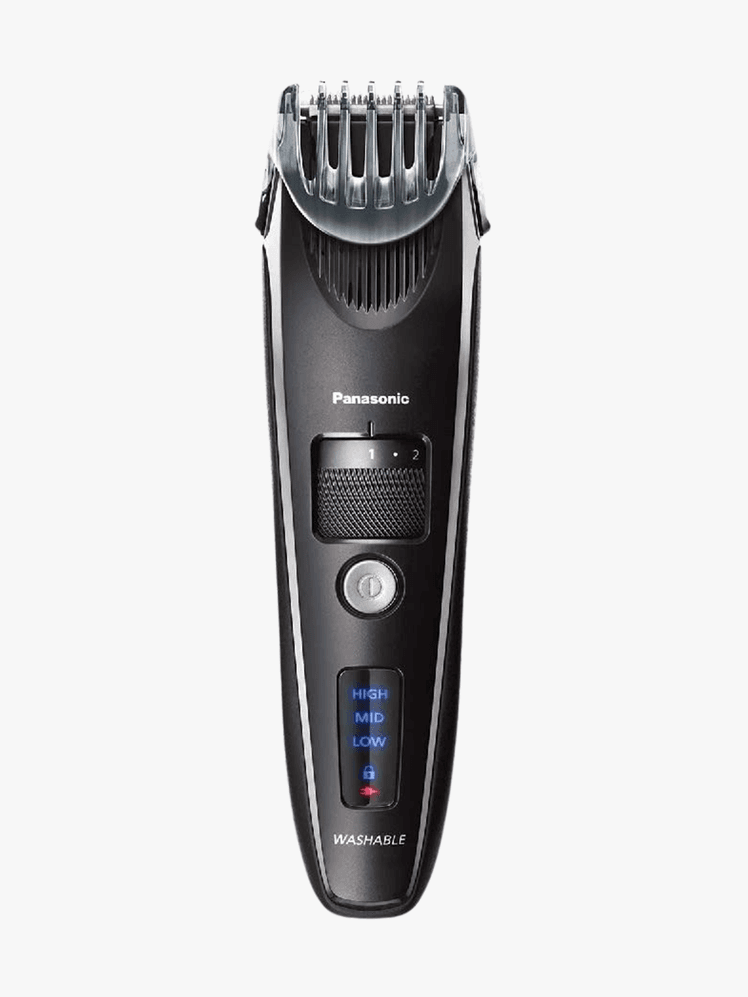
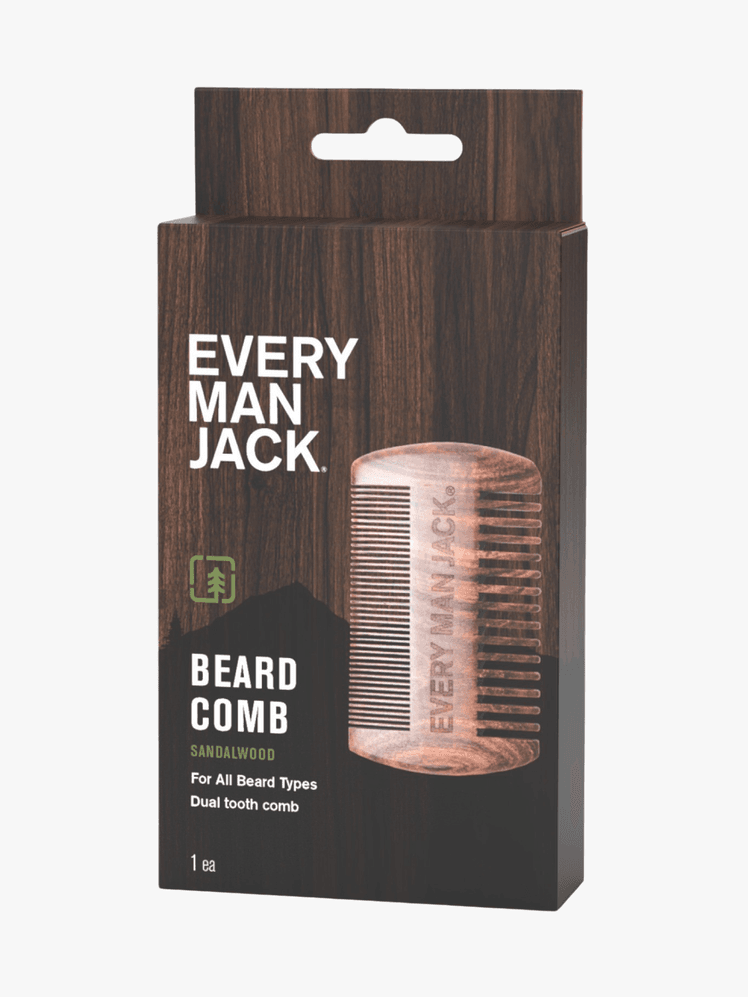
The best beard styles of the moment, just like men’s hair trends, are ever-changing. However, while rotation is inevitable, you can always be sure that facial hair, in one form or another, will never go out of style. “Beards aren’t going anywhere, but they are changing,” says Matty Conrad, GQ’s go-to beard expert and founder of Victory Barber & Brand.
So why not take the new year as an opportunity to try on something different? “A lot of people are afraid to make a change, or do something drastic, because of what they think other people might think. But it’s just like buying clothes: The clothes don't make you; you make the clothes,” says Jomo Kenyatta, whose A-list clientele includes everyone from A$AP Ferg to Jamie Foxx. “I feel that everyone should get out of their comfort zone at some point.”
Whether that means breaking the clean-shaven streak you’ve maintained since graduation or leveling up to a Van Dyke, here are the nine best beard styles that have our favorite barbers buzzing about the year ahead.
The Tapered Beard
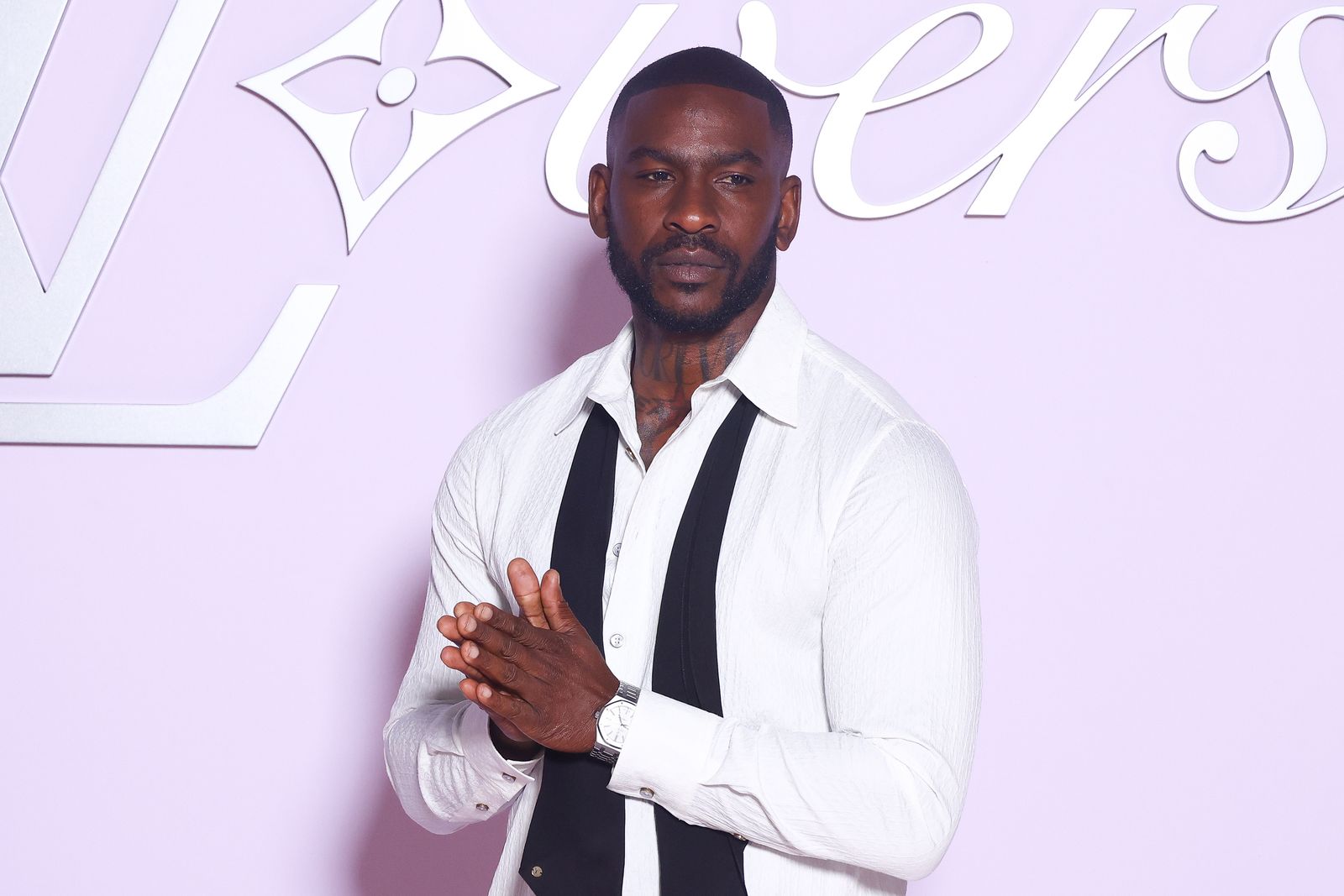
Skin fades are everywhere, but the ubiquitous style can make pulling off a full beard tricky. Enter the tapered, or faded, beard. Tightly cropped towards the temples and ultimately trimmed down to zero, it’s effectively an inverted skin fade. It’s an ideal style for wider face shapes, as it tends to make the face look narrower, but also perfect for anyone anticipating a stint away from the barber. (The blended sides allow the beard to maintain its gradient as it grows, instead of forcing you to keep a clean line at the top.) “I refer this look to a lot of people that go on the road,” says Kenyatta, who counts frequent fader Skepta among his celebrity clients. “With a line, you get it right and then for a few days it looks clean, but a week later it’s not looking as sharp. So I always recommend the blend, because as it grows it just looks natural.”
The Low Fade
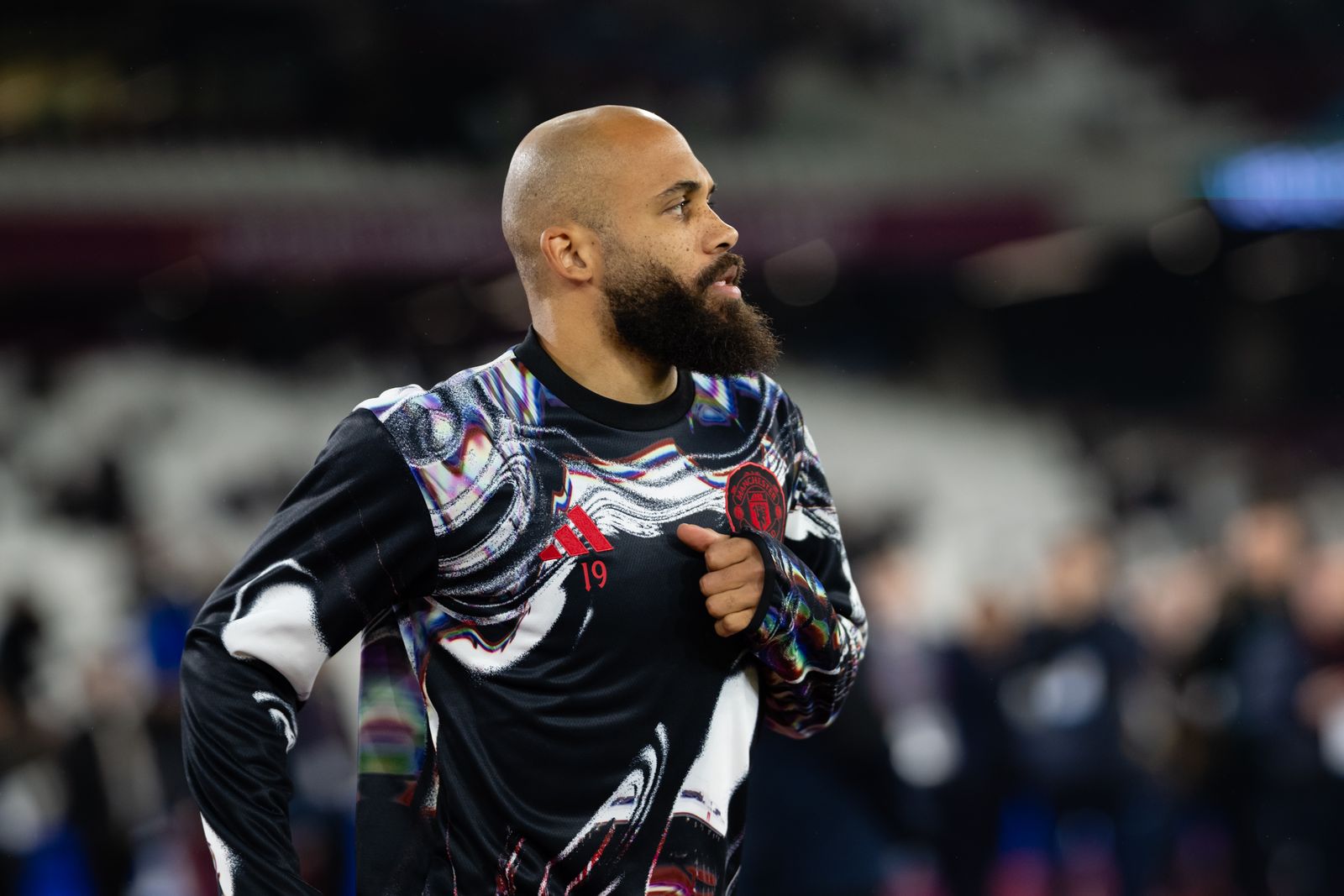
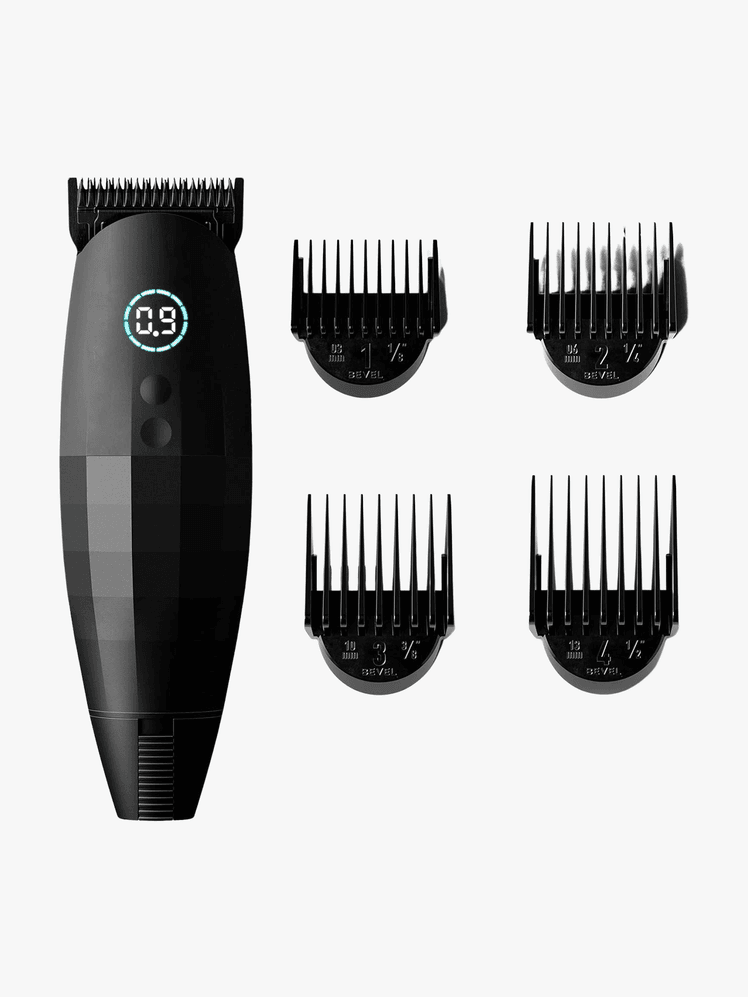
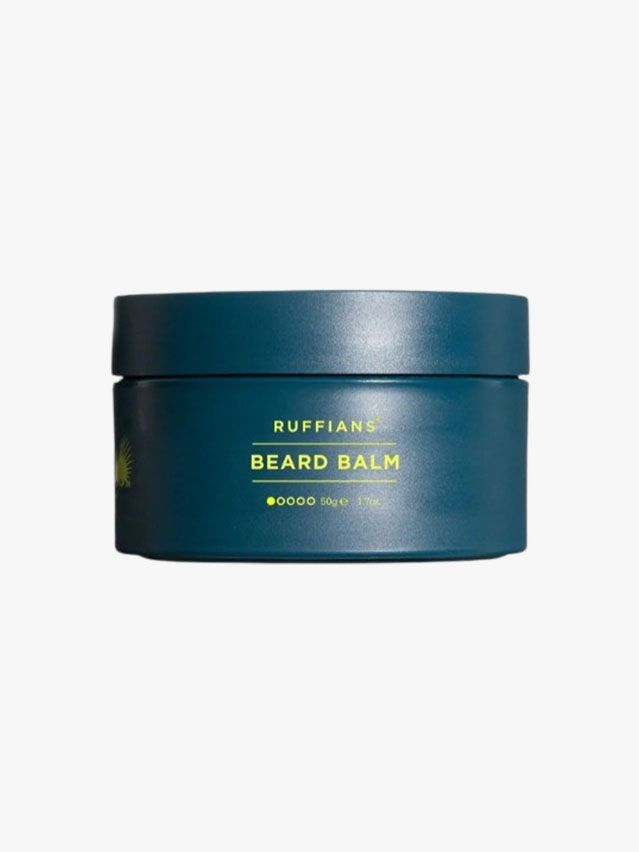
This nuanced, S-tier beard style takes the tapered beard to a whole other level—specifically, lower. “This one is quite trendy at the moment,” says Jake Murphy, barber and manager at Ruffians Covent Garden. The simplest way to think of the low fade is as a tapered beard that only begins at or just below the cheekbone. “You’re fading the beard horizontally downwards to the jawline,” says Murphy. The beauty of this style is that it works at pretty much any length. You can wear it super short with three-day stubble or grown out with a full-blown ducktail, as seen here on Manchester United striker Bryan Mbeumo—as long as you maintain the blending of the fade. “It’s a tricky technique for the first-timer,” Murphy says,” but one that’s made infinitely easier with an adjustable beard trimmer. Just be sure to keep your neck clear, regardless of beard length.
The Beardstache
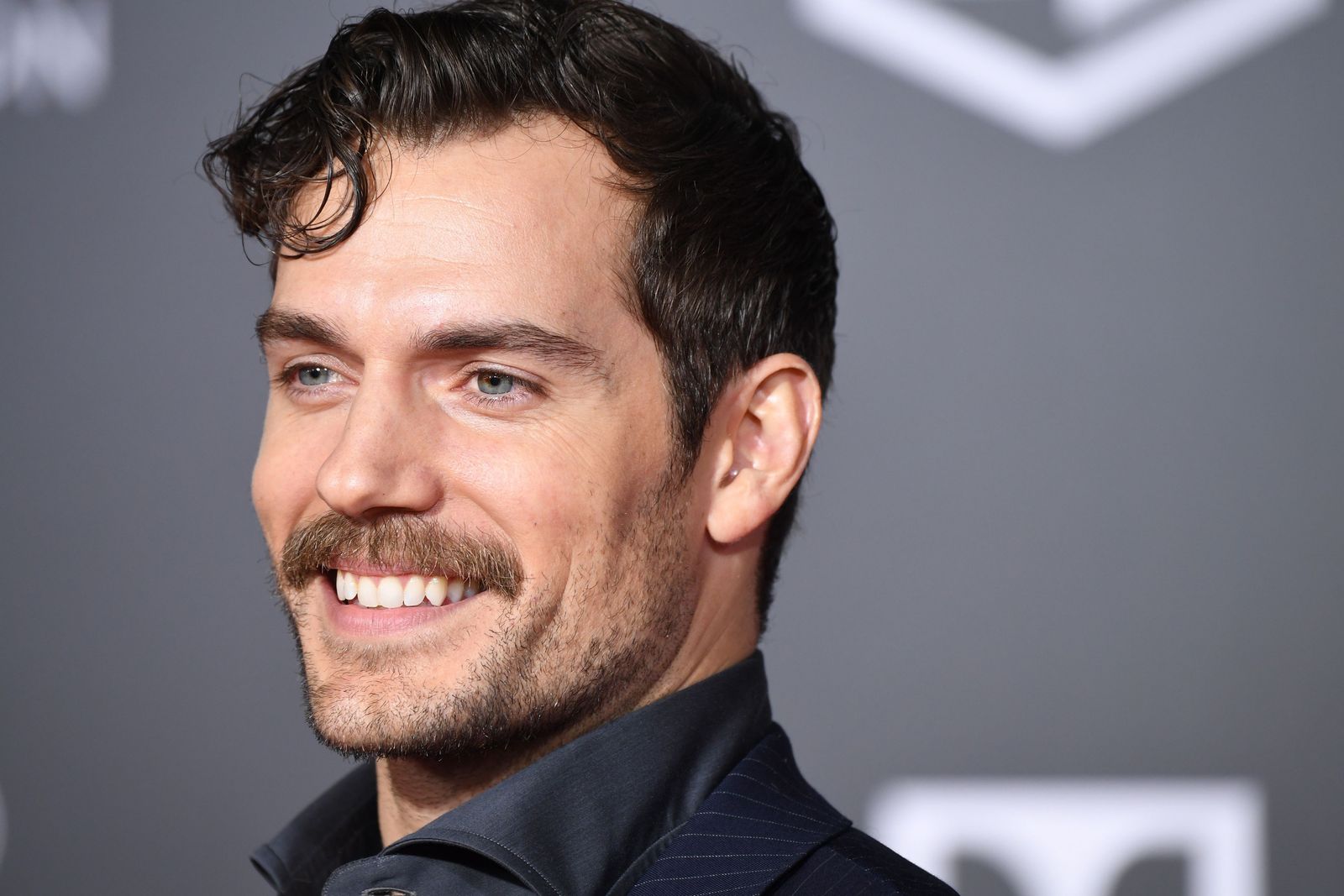
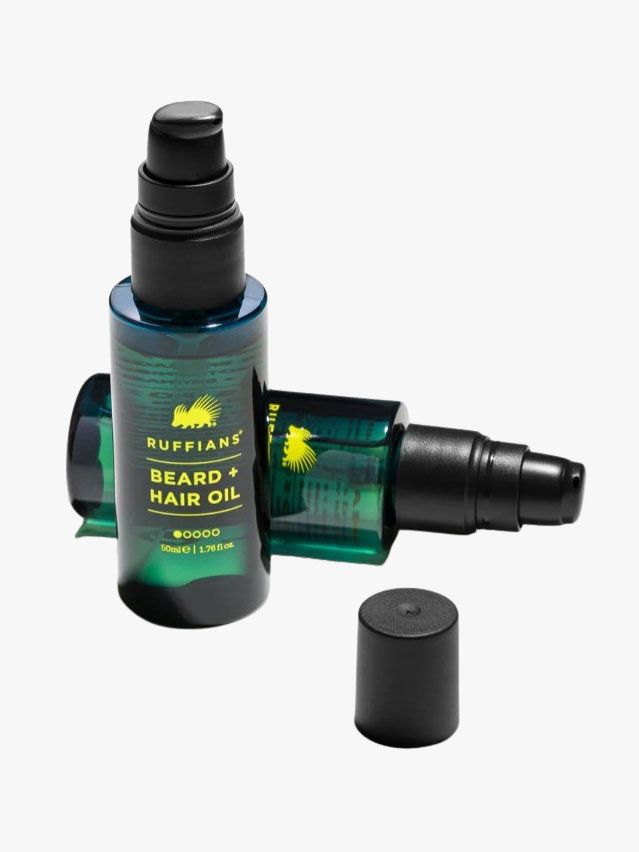
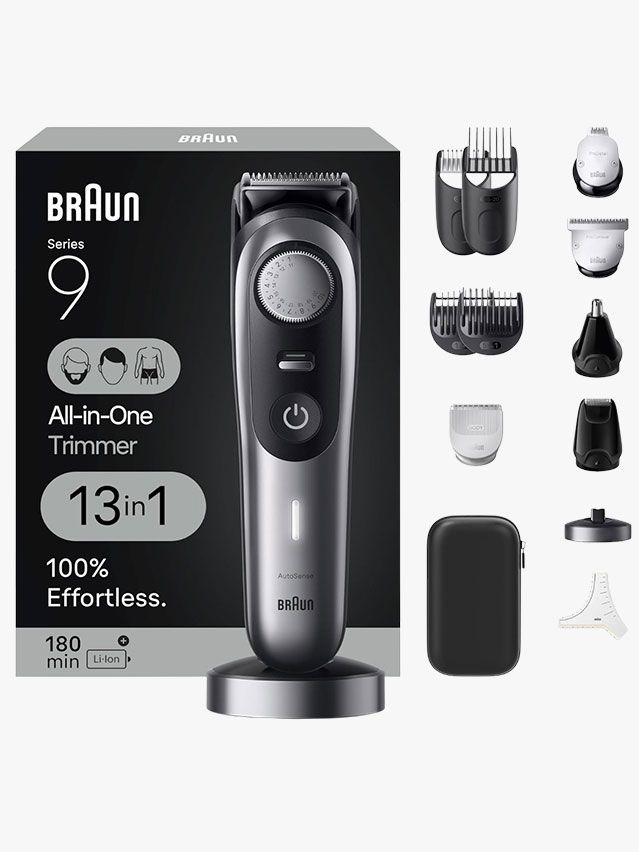
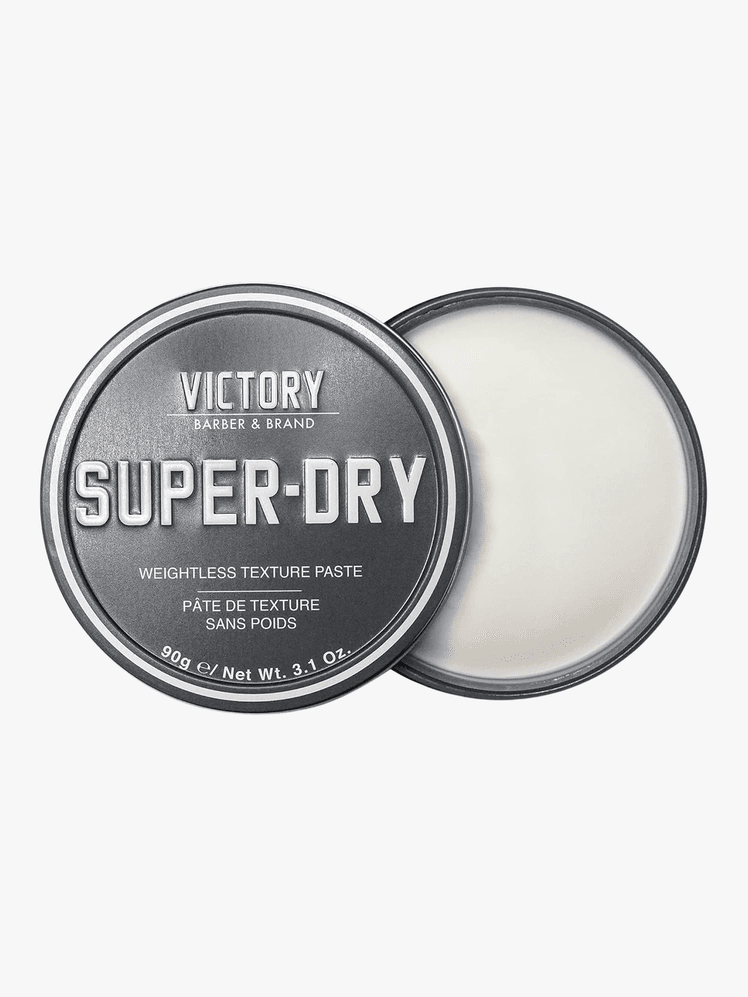
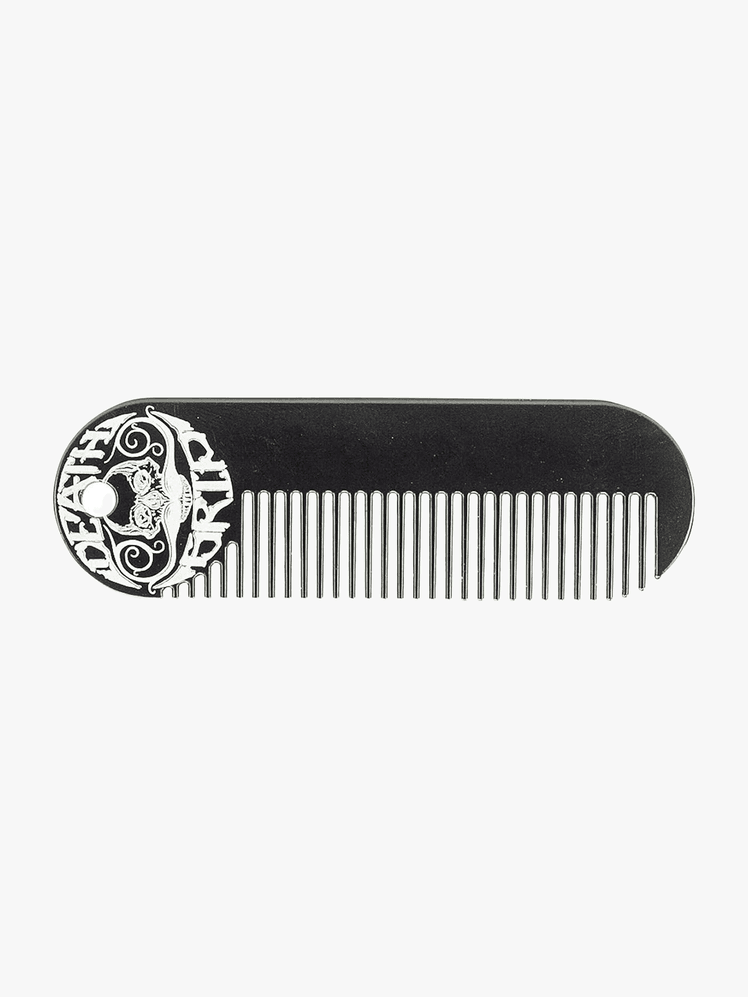
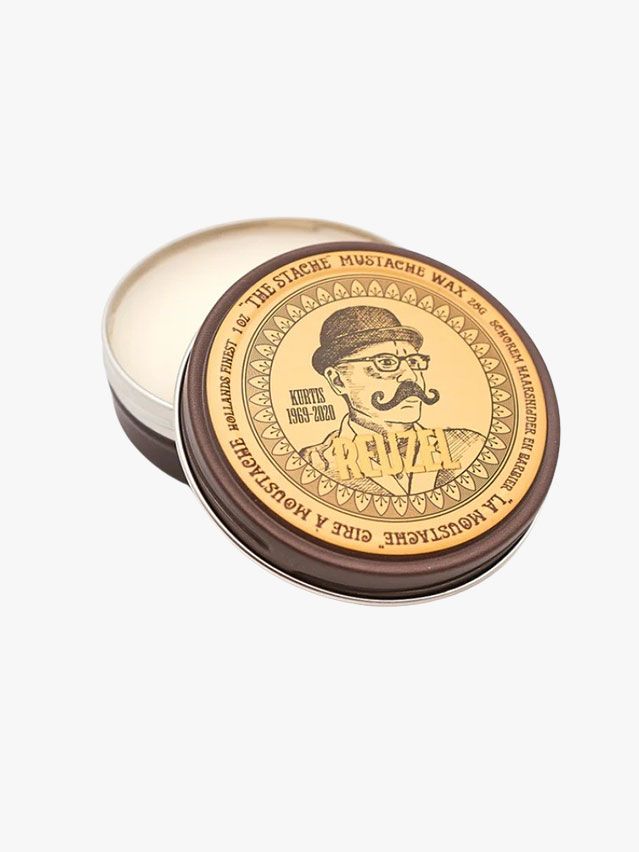
The beardstache combines two classic facial hair styles—medium stubble and a mustache—into a modern look that is greater than the sum of its parts. “It’s an edgy and unique style that sets the wearer apart, and has a bit of tough-guy appeal,” Conrad says. The mustache is kept fuller and more prominent, while the beard is trimmed much shorter, creating a distinctive and balanced look. It’s also a great way to work your way up to a mustache if you’re not ready to jump with both feet. (Think of it as training wheels for your first mustache.) To nail the beardstache, let everything grow out, then “trim the beard to a shorter length, while leaving the mustache to fill out, only trimming the lip line,” says Conrad, who recommends a trimmer for maintaining the shorter beard length, along with a mustache comb and matte-finish styling paste or wax to keep the mustache well groomed.
The Wild Beard
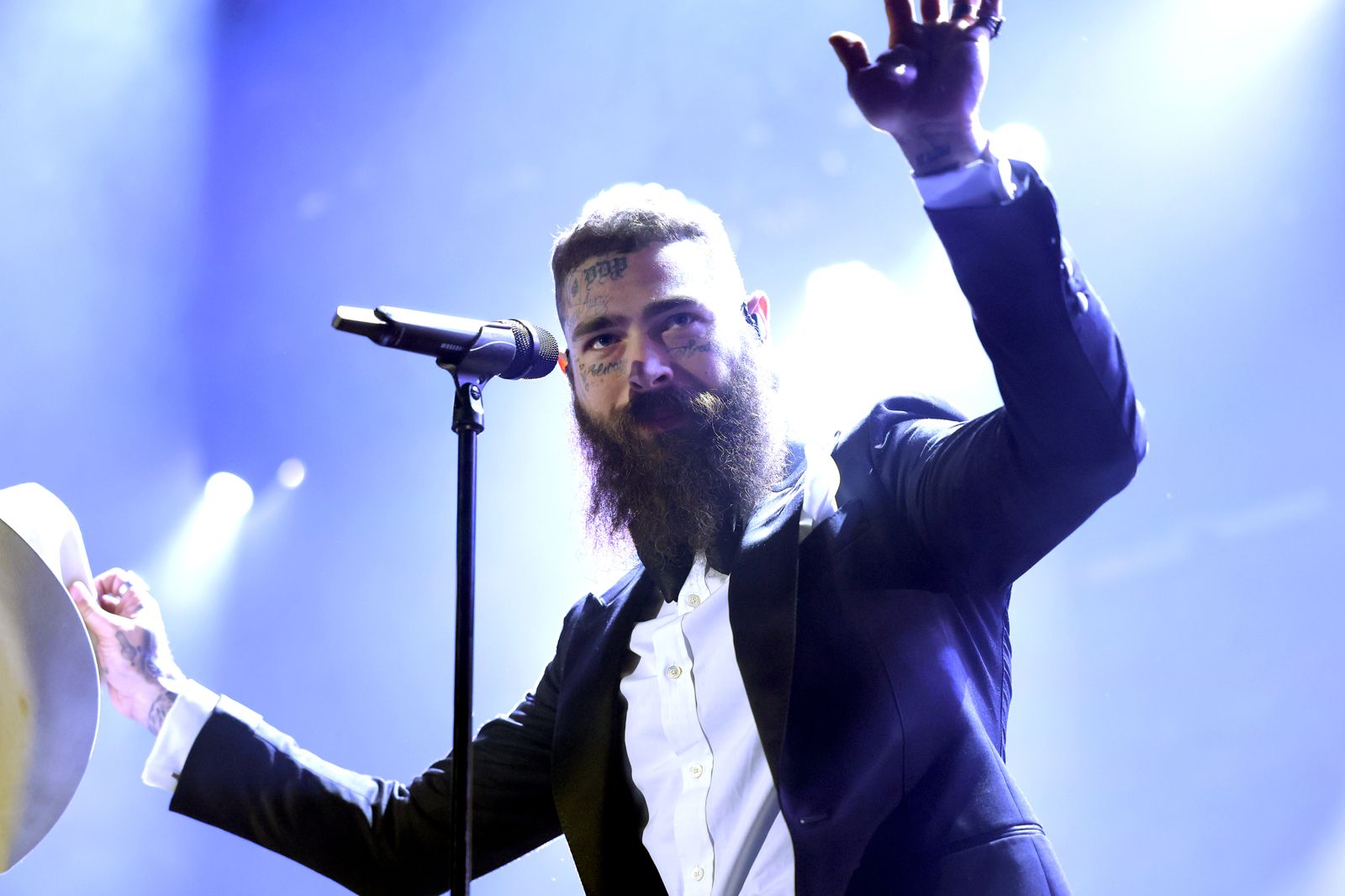
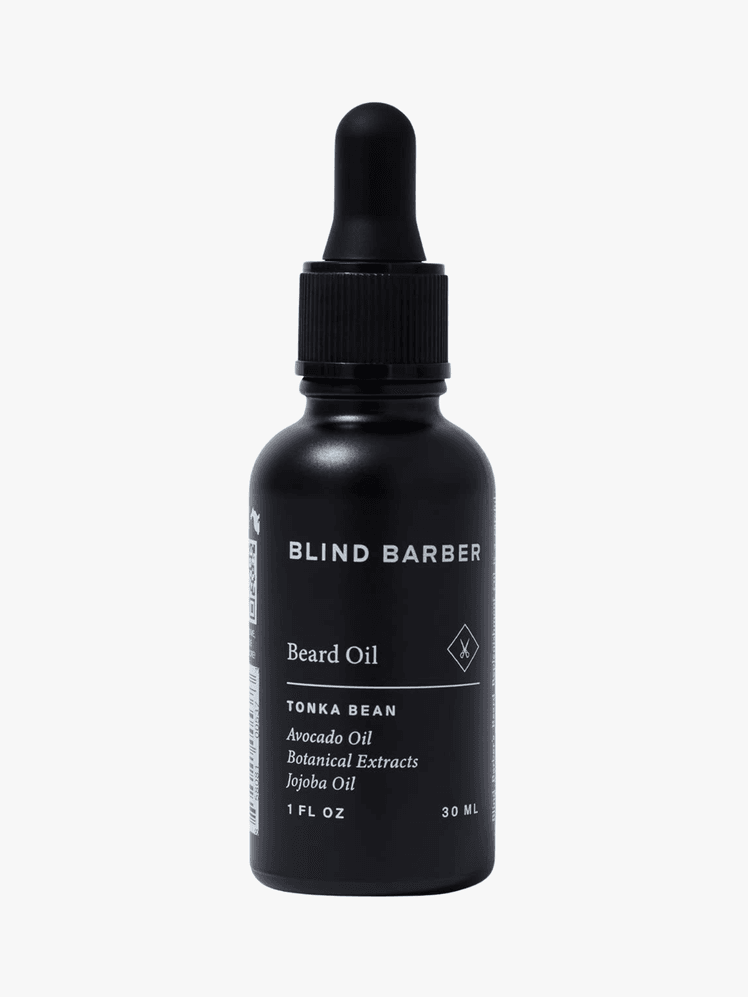
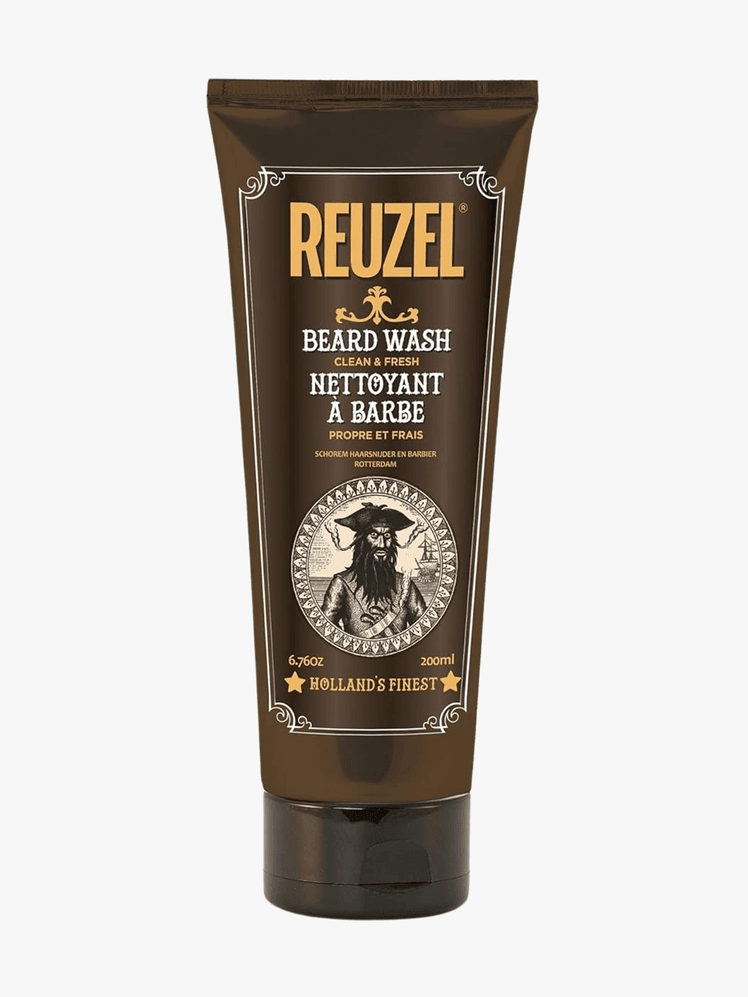
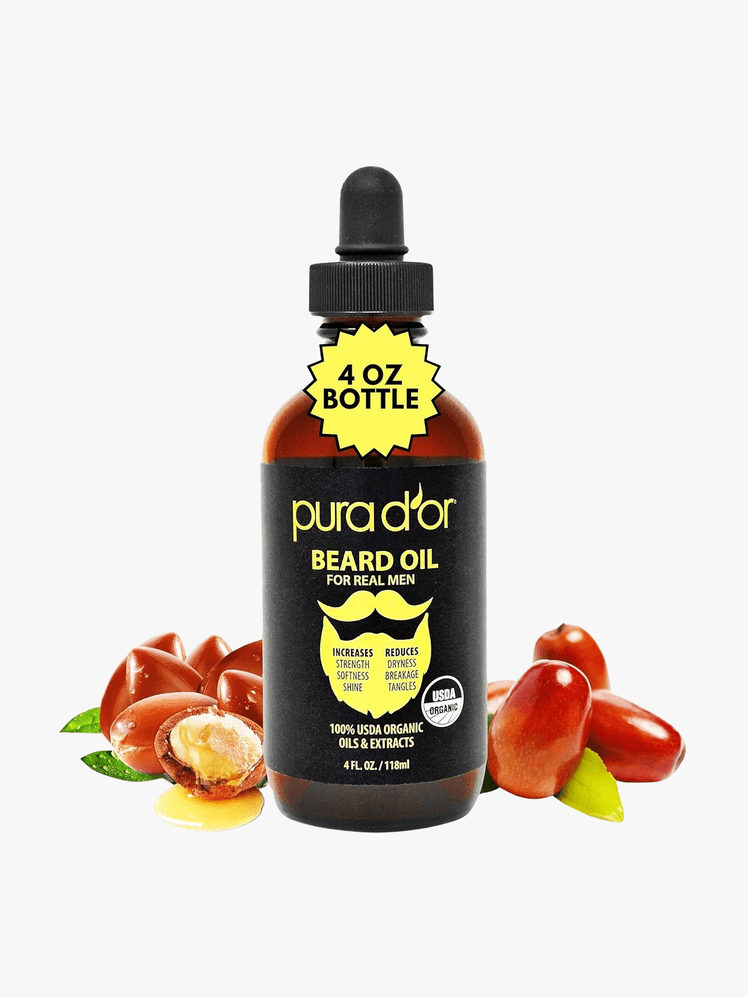
“The big beards are in now,” says Kenyatta. If you saw Post Malone’s performance at the Grammys, you know what we’re talking about. (Sadly, this was his only win of the night.) “I love this beard because it really shows off the thickness of one’s hair, and it gives off a natural vibe,” says Robert-Jan Rietveld, barber and co-founder of Schorem Barbier in Rotterdam. “Depending on the length and texture, the beard can be coarse, wiry, or wavy, making it unique to each person rocking it.” There is some maintenance involved, though. When you’re dealing with this kind of volume, you have to effectively treat your beard like the hair on your head—and that means washing regularly with shampoo. You’ll also want to invest in a beard oil that’s suited to bigger beards, as well as a comb to help you distribute the product evenly throughout.
The Stubble Beard
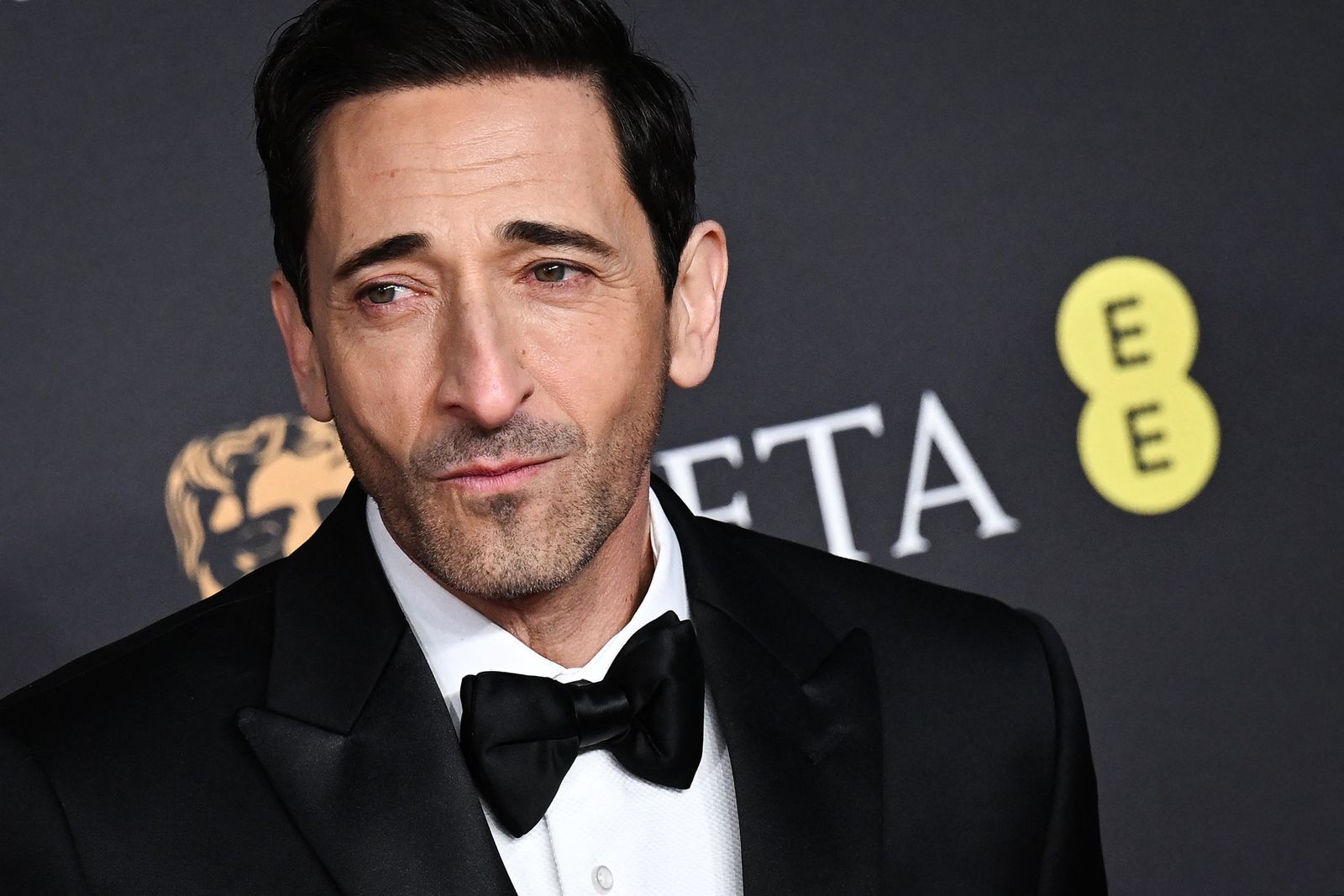
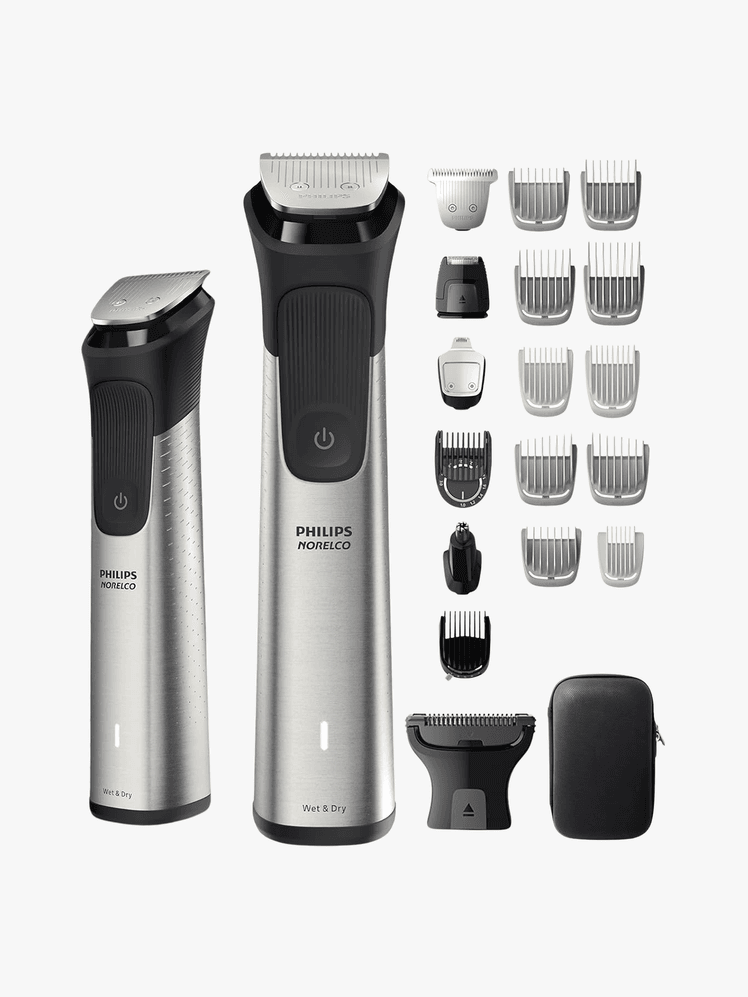
It’s five o’clock somewhere—and as far as we’re concerned, it always will be. Rest assured, the classic shadow will never go out of style. “It’s effortlessly cool and versatile,” says Conrad. “It provides a laid-back, casual vibe, while still appearing groomed and intentional.” (It’s also an easy way to add a bit of definition to your jawline.) However, getting that rugged yet refined look doesn’t happen by accident. “Regular maintenance is key to keeping it at the desired length without becoming patchy,” Conrad says. “And remove that nasty neck hair.” That means regular trimming with a stubble guard to maintain the perfect length, daily border patrol with a quality razor, and, crucially, a face scrub to prevent ingrown hairs.
The Patchy Anchored Stache
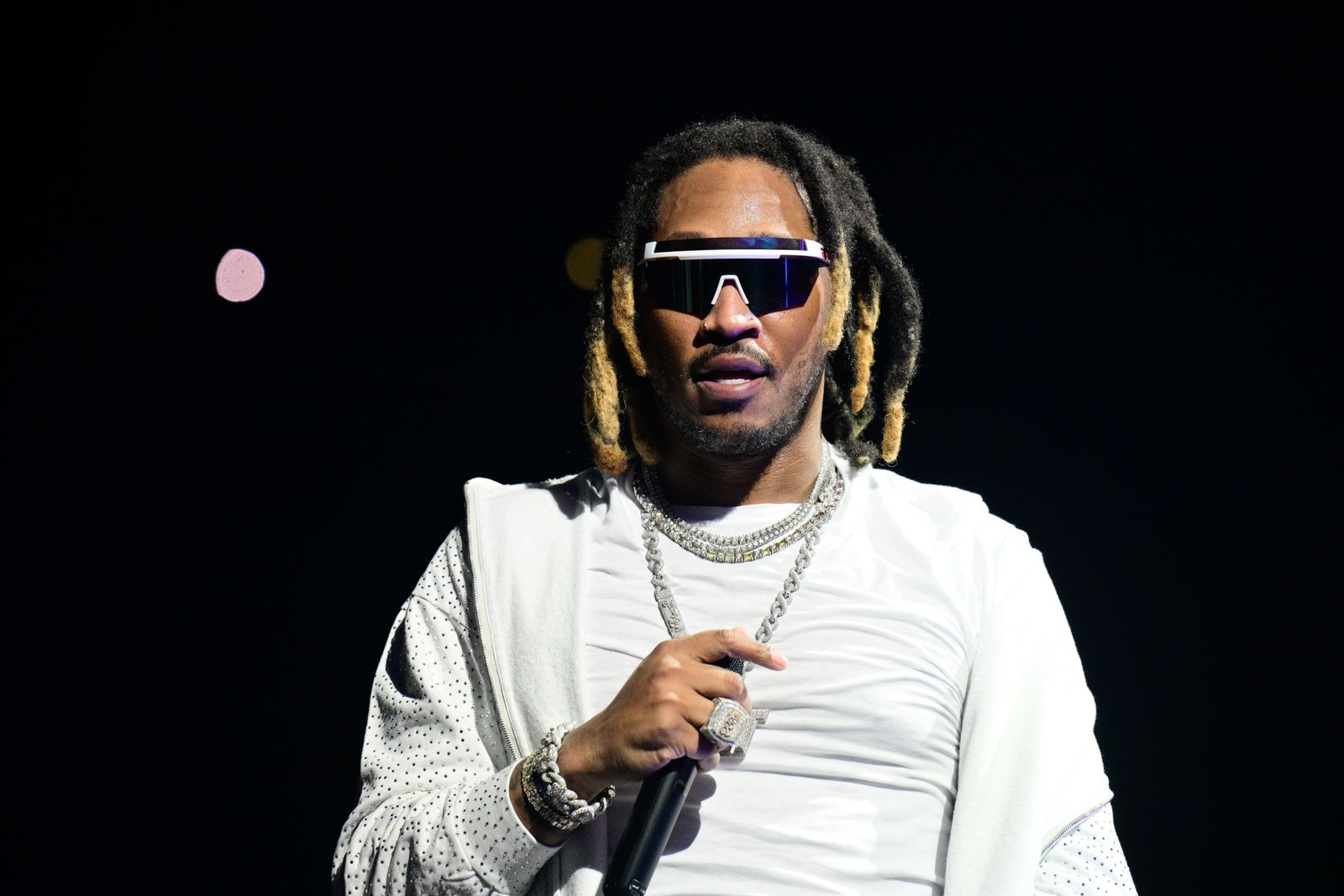
Calling a “patchy beard” a beard style is like calling male pattern baldness a hairstyle. If you have uneven growth on your face, you deserve options, because they’re out there. Just ask Kenyatta, who has styled the reigning champion of patchy beard creativity himself, Future (seen here flaunting his patchy pelt while rocking an anchored stache—a trimmed mustache that floats atop a beard covering the chin and jawline). The result is a unique look that guys with standard-issue facial hair stand no chance of replicating. “This style is about patience,” Rietveld says. “Allow your facial hair to grow for a couple of weeks. Then, trim the beard outline, shave off your sideburns, and define the mustache by trimming and shaping it to your liking. Lastly, define the lower edges of the beard to ensure it is sharp and symmetrical.” No matter which style you choose, the most important rule of styling patchy facial hair is to keep the edges tidy. “The last time I cut [Future], he wanted me to keep the natural look,” Kenyatta says. “He just wanted to line it up.” He gets it.
The Circle Beard
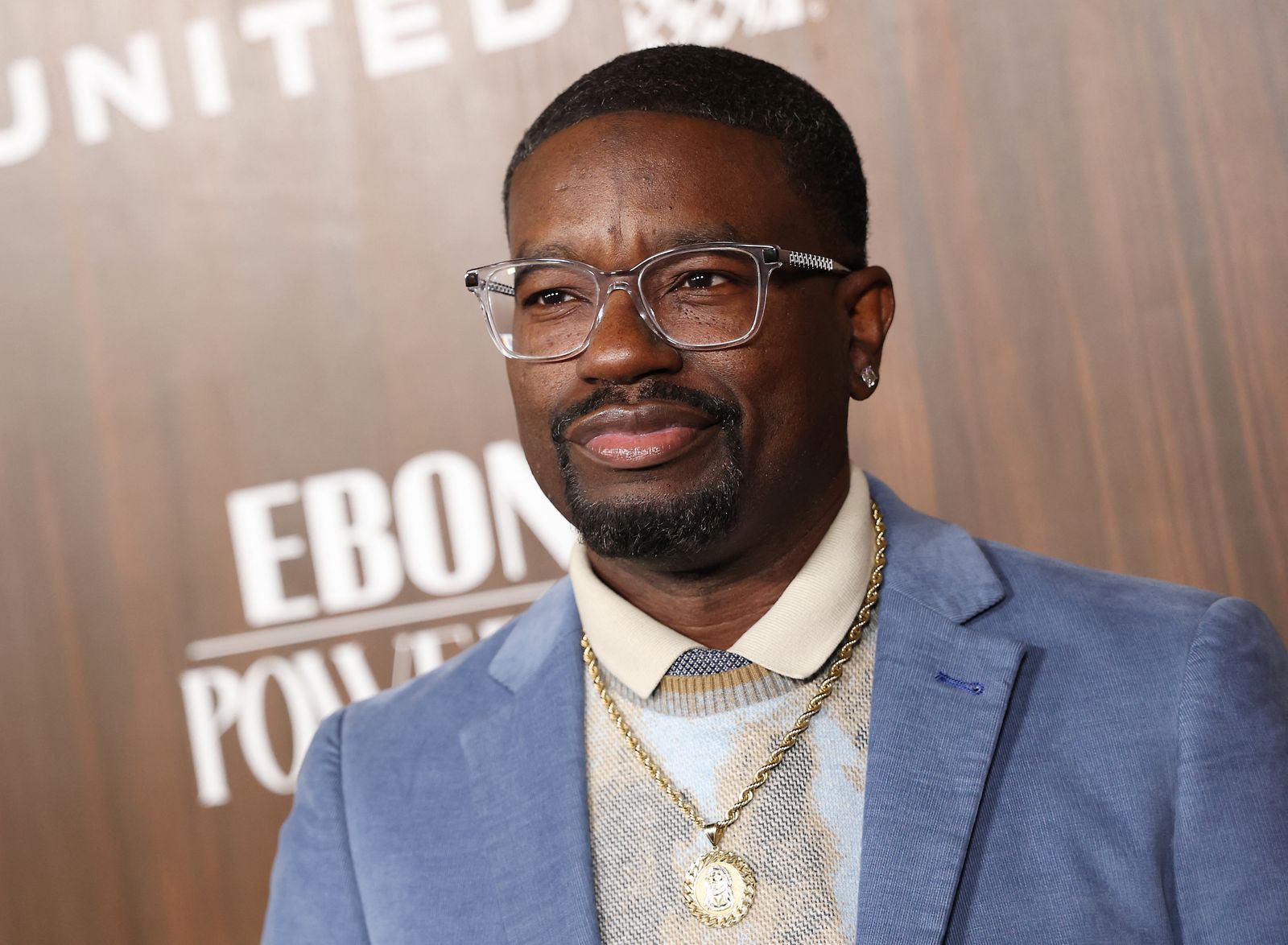
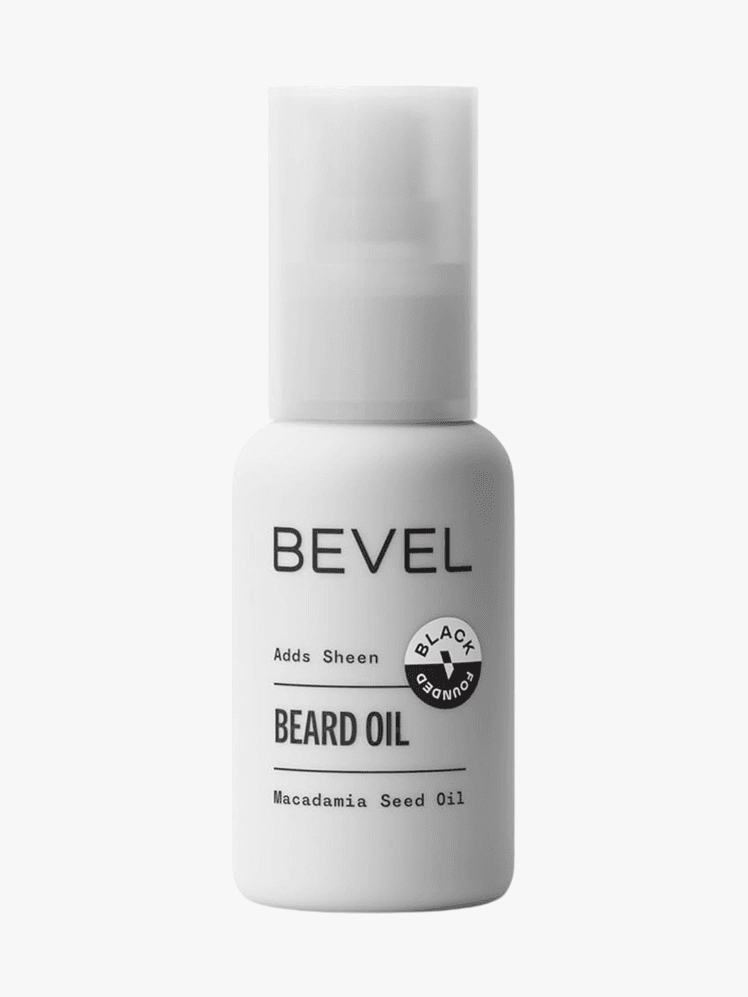
“If you are looking for a style that is a bit more tame and neat, a circle beard is the way to go,” Rietveld says. Combining a mustache and a rounded goatee, it creates a circle-ish shape around the mouth (hence the name) and helps to give the face a more balanced, structured look. Best of all, it suits just about any face shape. “This style is fairly simple to obtain,” Rietveld says. “First, you’re going to want to grow a classic full beard, then trim it down to around a fifth to an eighth of an inch with a beard trimmer. From there, create the round shape around your mouth and trim the edges of the mustache to ensure it blends in seamlessly. Finally, very gently, shave your cheeks and neck with a rotary shaver. And I definitely recommend a beard oil for this look, for hydration and softness.”

The Van Dyke

The Van Dyke beard is making a return, and if that means we can look half as good rocking it as Queens of the Stone Age frontman Josh Homme, then you can count us in. This standout style is actually much easier to pull off than it looks. “It’s basically a detached goatee and mustache combo,” says Murphy, who recommends shaving around the laugh lines of your face and under the chin to form a goatee, and then severing between where the mustache and beard meet. You don’t have to go full Captain Jack Sparrow, either. “There’s lots of room for variety,” Murphy says. “It can be clean on the cheeks and neck, or grown out clandestinely with stubble. And the mustache can be long and swirling, or shorter and kempt. Either way, be sure to keep a little length on the chin to stroke as you ponder the gravitas you now bring to a room.”
The Classic Full Beard
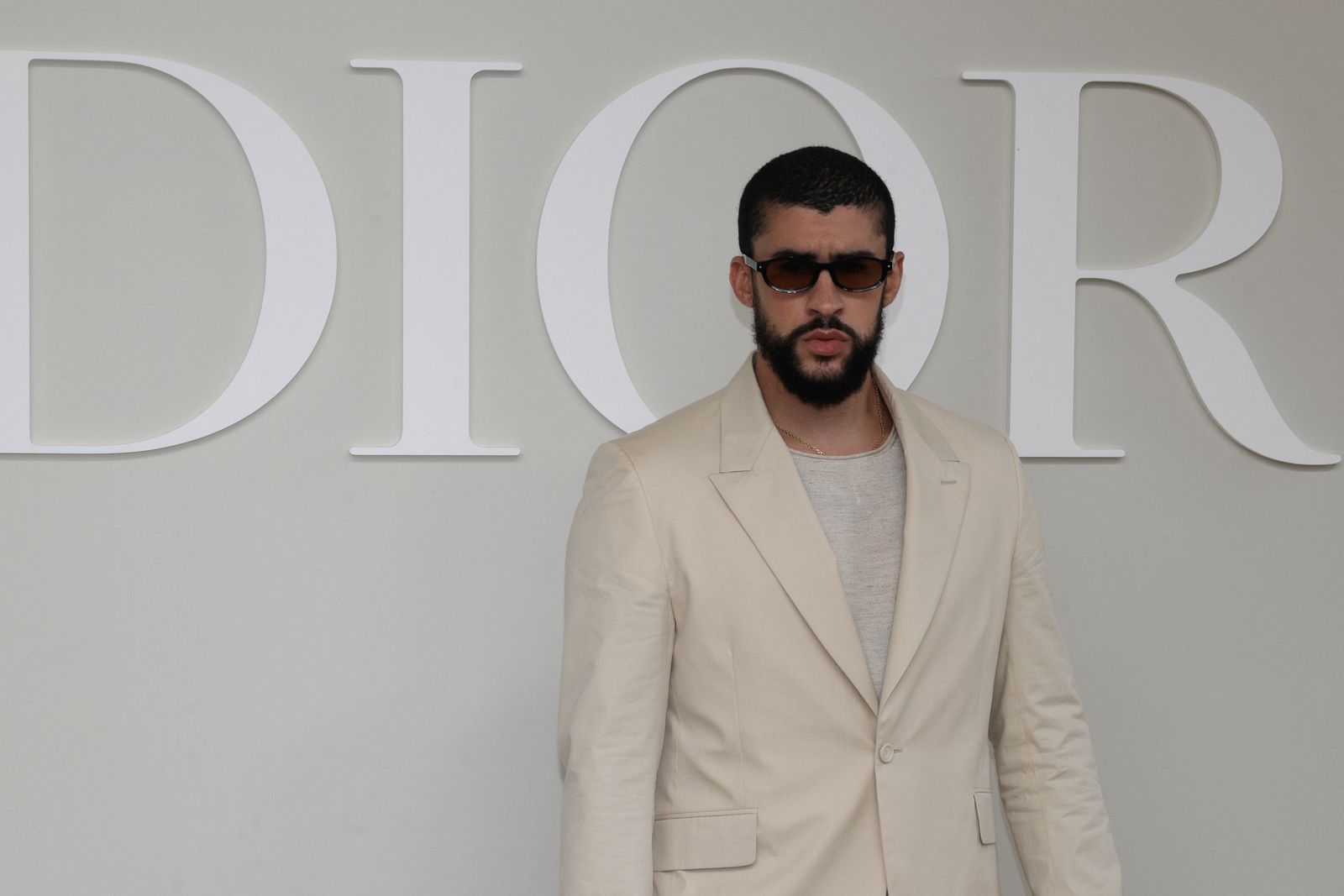
The classic full beard is a timeless style that covers the jawline, cheeks, and upper lip with thick, even growth. It’s a nod to traditional masculinity and, when done properly, can strike the perfect balance between rugged and polished. “This style stands out due to its bold and commanding presence,” Conrad says. “It's a versatile look and suits various face shapes and styles, from professional to casual.” The first step, of course, is to let everything grow out. From there, just like pulling off perfect stubble, it’s all about the details. “Regular trimming is essential to maintain an even length and shape,” says Conrad, who also recommends using a beard comb to detangle and train the hair.