
How hot is too hot?
A few days before Ryan Murphy’s eagerly anticipated series Love Story: John F. Kennedy Jr. & Carolyn Bessette hits streaming, I find myself in a dimly-lit Chinese tea parlor with Paul Anthony Kelly, the 37-year-old model-turned-actor lately plucked from relative obscurity to play the show’s titular John-John, looking through a menu of Cantonese dishes and trying to gauge how much heat this Canadian-born white boy can take.
“Honestly, the spicier the better,” he tells me with a grin. “I eat everything.”
We’re meeting at a very strange time in his life. A year ago, Kelly was just another male model in his late 30s. Modeling had always been good to him, keeping him gainfully employed for almost two decades, but he had also, maybe, maxed out in that world. He’d walked the runways for Vivenne Westwood, worked in Tokyo and Hong Kong (where he built up a tolerance for chili oil), and modeled in catalogs for everyone from Eddie Bauer to Brooks Brothers, but it was clear he wasn’t going to be a Lucky Blue Smith or an Alton Mason.
How fast life can change. Almost exactly a year ago, Kelly received an email inviting him to self-tape and audition for a new series Murphy was making about the mythic love affair between John F. Kennedy Jr. and Carolyn Bessette. After another self-tape, a callback session, and a pivotal chemistry read with the Tony-nominated actor Sarah Pidgeon, who’d already been cast as Bessette, he found out that he had the role in May—and that they would start shooting in June.
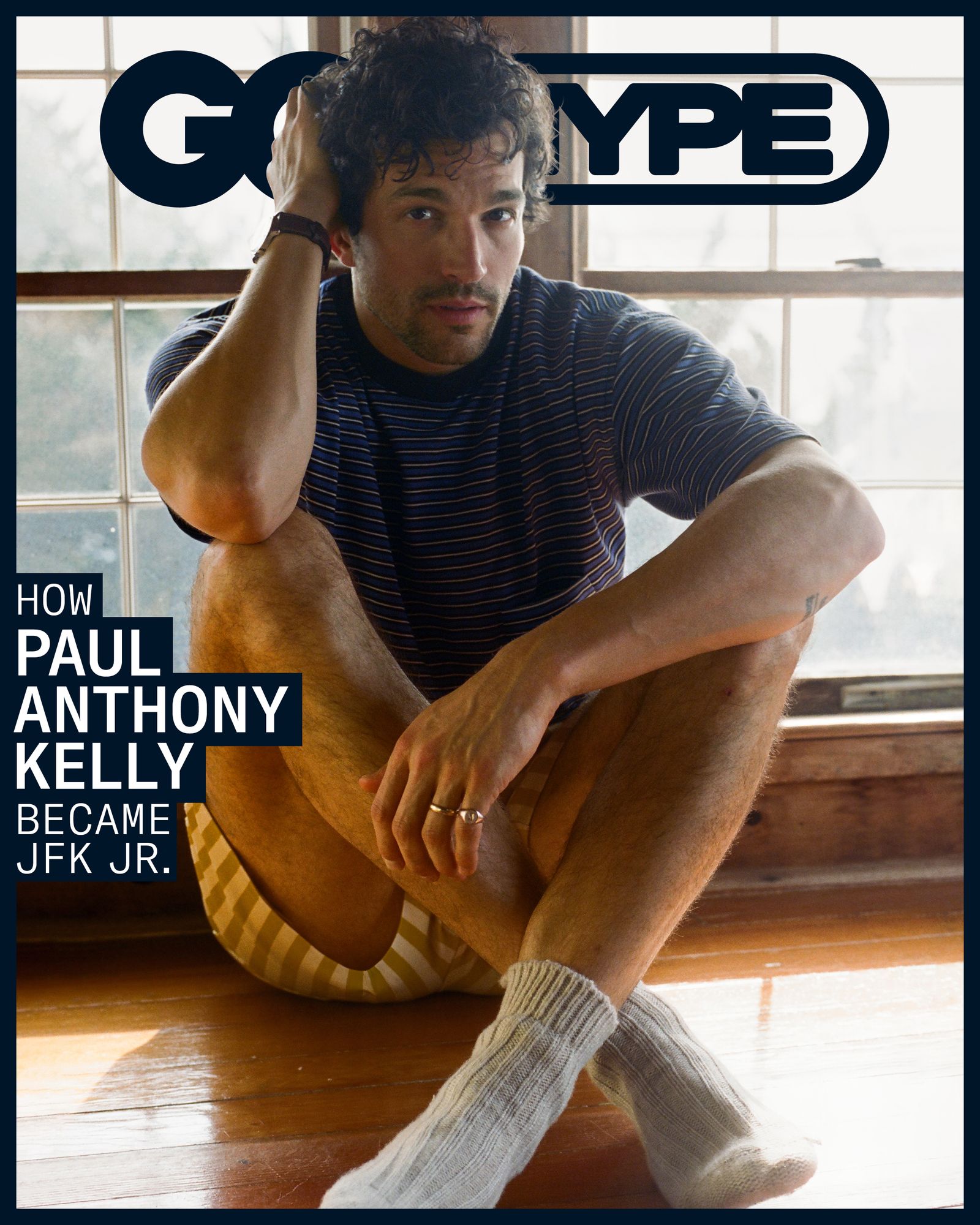
“I was kind of thrust into this position with no time to think about anything else,” Kelly says. He spent three weeks working with a dialect coach and an acting coach, collecting back issues of George (the political magazine JFK Jr. cofounded), and listening to the Profiles in Courage audiobook (JFK wrote it, JFK Jr. read it) nonstop. Kennedy’s physicality was another challenge. “I had to beef up a little bit, which was great,” he says. “I was model size before, so I had to go from a 38 US size/48 European to then like a 52—that’s two sizes. Pretty big jump in three weeks, but we did it.”
But Kelly, whose only previous IMDB credit is a bit role as “Photo Model” on a Canadian erotic drama series called Body Language, knew he’d been given a life-changing opportunity, and put everything he had into preparing for the role. “As soon as I got cast, I hit the books as much as I could—in typical John Jr. fashion as well, a cram session,” he cracks.
By the time we sat down for chili wontons and mapo tofu on a punishingly cold February evening, Kelly was well on his way to bonafide stardom. The Love Story ads were all over Manhattan and the internet thirst was revving up. The week before we met, the actor pretaped an appearance on The Kelly Clarkson Show. “I mean, aahhh—Kelly Clarkson!” he tells me, in disbelief. “Tomorrow, I have Good Morning America. It’s a little overwhelming, but it’s all good things.”
Playing John F. Kennedy Jr. was always going to be tough. Kennedy died in a plane crash (along with Bessette-Kennedy and her older sister Lauren Bessette) in the summer of 1999, at thirty-eight. In life, Kennedy had been defined by the question of what he’d do with his supposedly vast potential; his death left that question forever unrealized. If he’d lived, would he have run for office? Would he have fulfilled the promise of Camelot and become a great American president? Barring that, would he have continued his media career and launched a Huffington Post–like news organization during the dot-com boom? Would John-John and Carolyn have stayed together? How many kids would they have had? Would he have a Substack now?
Rosemarie Terenzio, his George chief of staff and eventual biographer, suggested in a 2019 interview with Good Morning America that Kennedy’s real legacy was the magazine, which took a centrist approach to the increasingly sectarian political landscape of the Clinton years. “He really believed in the nonpartisan aspect of it,” she said. “And as we look today, there is a perception that there really isn’t a nonpartisan way to get information about politics.”
Former Vanity Fair and New Yorker editor in chief Tina Brown suggested something slightly different in the 2025 JFK Jr. documentary American Prince. “Where he was clever,” Brown said, “was he did understand the melding that had begun between politics and entertainment.” George was ultimately unsuccessful—it folded in January 2001, two years after Kennedy’s death—but it now seems predictive of where American politics was headed, for better or for worse; the magazine’s February 2000 cover featured a coy closeup of political neophyte Donald Trump.
Media studies and political what-ifs aside, these days JFK Jr. is revered by zillennials primarily as a street-style pinup—forever young, forever biking through Tribeca in a suit and a beret, running around Central Park in nothing but compression shorts and a full chest of hair, rocking a fleece headband and a hand brace with Carolyn on his arm. As Gen Z floods TikTok with millions of posts tagged #OldMoney—think cable-knit sweaters artfully draped over polos, oxfords and khakis, The Row and Khaite—JFK Jr. and CBK live on as yet another generation’s style icons. If Kennedy saw the fusion of politics and entertainment coming, maybe it was because he lived it every day. He was People Magazine’s “Sexiest Man Alive,” the bachelor who dated Madonna, Cindy Crawford, Daryl Hannah, and Sarah Jessica Parker, the hunk who was papped all around the city rollerblading sweaty and shirtless. Whoever played him on this show would have to live up to that side of the legend, too.
“He had a type of body and a type of look that hearkens back to stars of old,” Love Story executive producer Brad Simpson says of Kennedy. “It really is Richard Gere in the ’80s. It’s really Tom Selleck. It’s these men with broad shoulders and they are in shape, but they’re in shape because they’ve been throwing a football around, not because they’ve been working on every muscle in their body for a Marvel movie. And they have hair on their chest. We live in a world of electrolysis men, and it was a real challenge to find that sort of guy—a guy that women and gay men are attracted to, but also guys want to hang out and have a beer with.”
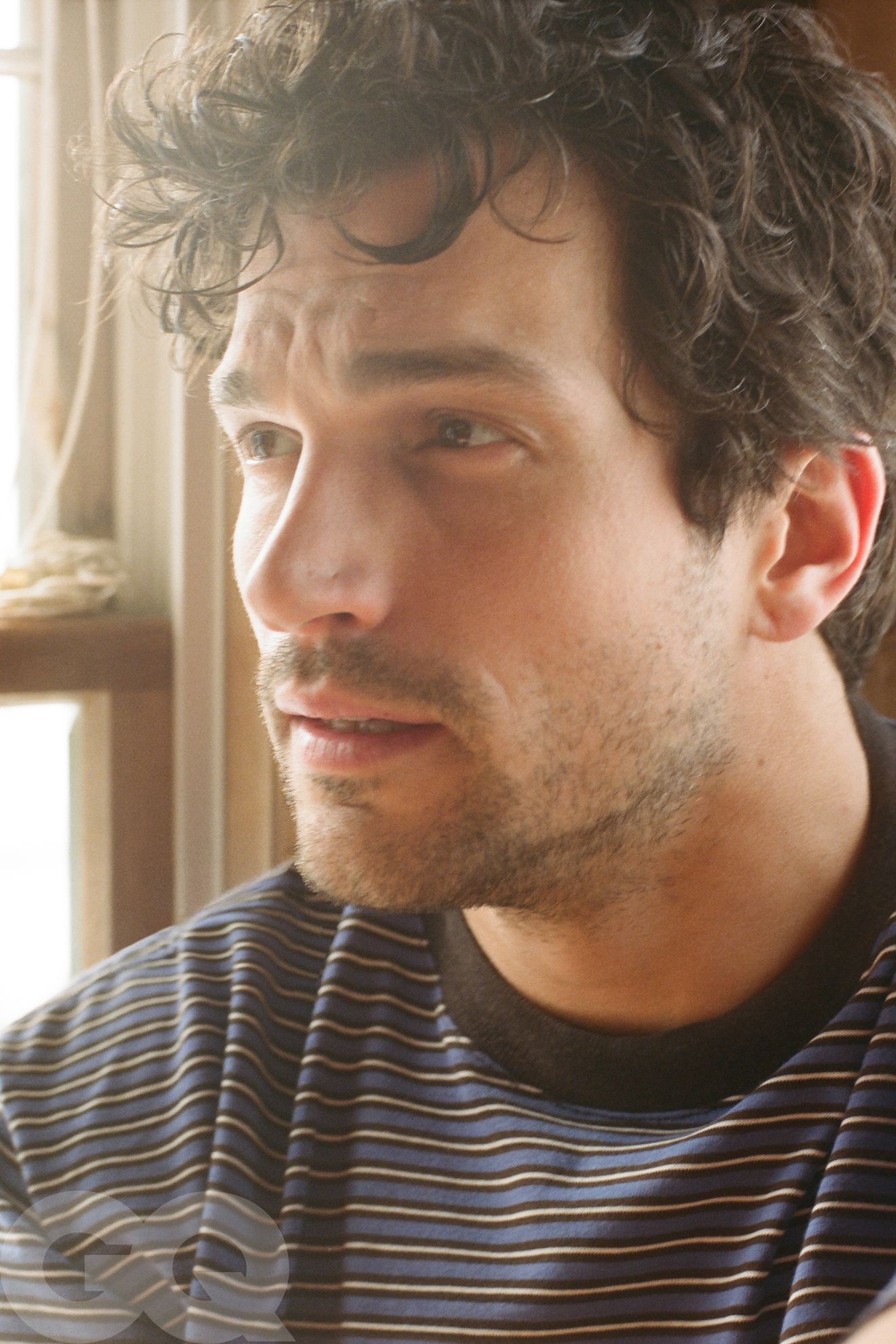
The key to casting the role was to find an unknown who could knock it out of the park. “We wanted it to be somebody who wasn’t bringing any sort of preexisting baggage,” Simpson says. “We wanted them to embody JFK Jr., and we saw a lot of really good actors who didn’t look like JFK Jr. or didn’t have his easy charisma. And what Paul had, besides being tall and handsome and looking so similar to JFK Jr., is he had an ease and a charm around him…. I do think the best casting is always when somebody brings their essence of who they are to the role. And I really think what you see on the screen right now, a lot of it is Paul.”
When Kelly walked into the room for the chemistry read, it was clear to Pidgeon that he would be the guy. “He just, even from his initial audition, had so much ease about him,” she says. “So much kindness and warmth—and obviously those are traits that JFK Jr had. So there was this immediate thing.”
Those qualities only continued to blossom by the time they started shooting. “He knew everyone’s name on set, he knew the details about their children’s lives. He was such a natural leader. He just has this charisma,” she says. “Maybe I didn’t say this out loud, but I knew he was going to be the internet’s boyfriend.”
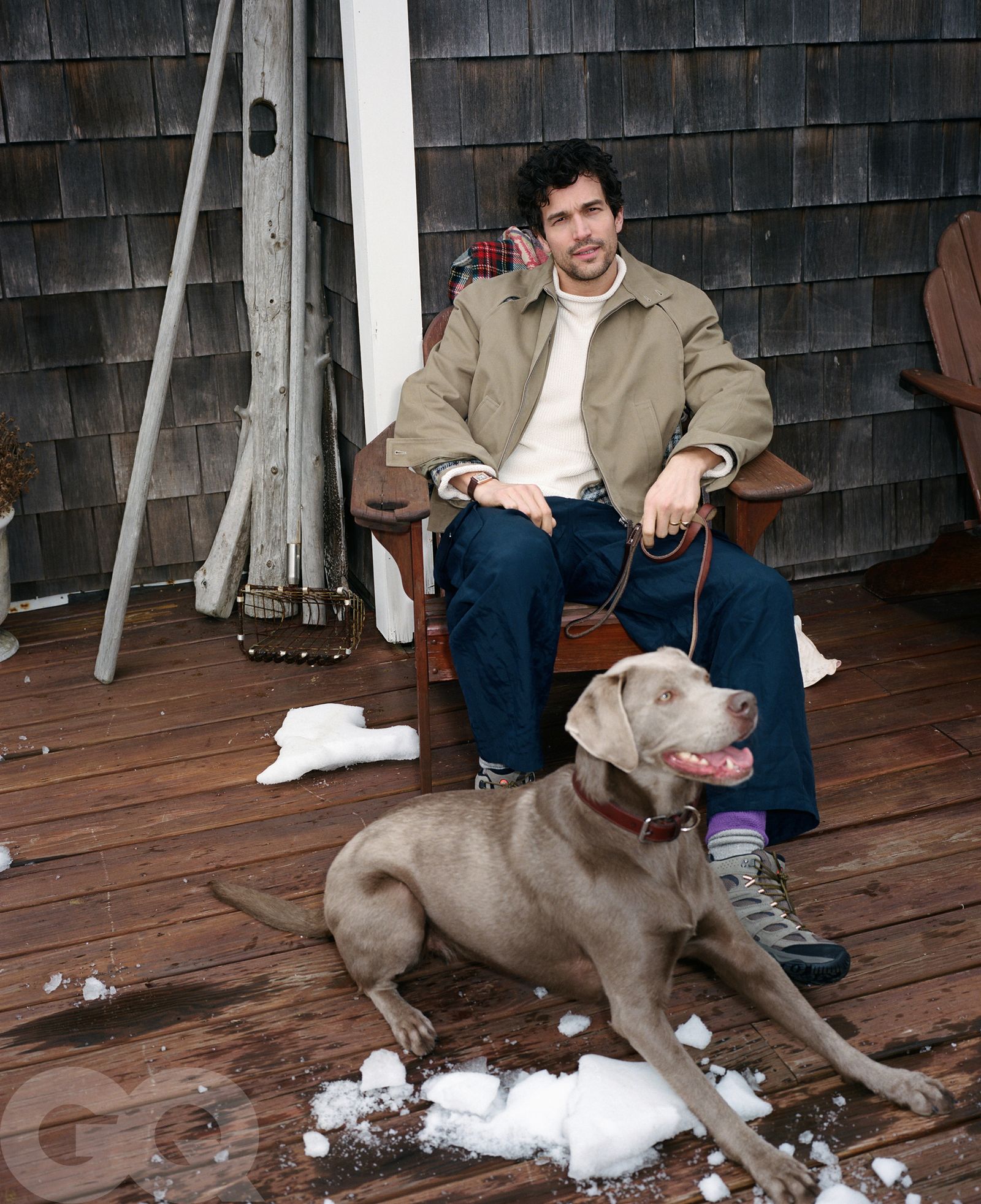
There’s something about the Ryan Murphy Guy.
In the two decades Murphy has dominated the airwaves and defined, for better or worse, our notions of must-see TV, the producer, director, and writer has revived the careers of great veteran actresses and given them the meaty material that’s eluded them for years (Jessica Lange, Kathy Bates, Angela Bassett) and intervened in the trajectory of great talents working in the periphery, turning them into bonafide stars (Sarah Paulson, Sarah Paulson, Sarah Paulson). But he’s also discovered a slew of male ingenues and transformed them overnight into leading men.
That list is a who’s who of future internet obsessions, from Glen Powell in 2015’s Scream Queens to David Corenswet in 2020’s Hollywood, from Charles Melton in 2015’s American Horror Story: Hotel to Cooper Koch in 2024’s Monsters: The Lyle and Erik Menendez Story. In most cases, Murphy and his collaborators have plucked these men from relative obscurity and cast them in roles in which their typically all-American good looks mask real menace and dark depths.
The Murphyverse seems to understand something twisted about desire, that there’s a thin line between lust and revulsion, that what’s wrong can feel so right, that even a convicted murder might be able to seduce you with abs and puppy eyes. Toeing that line between what’s hot and what’s unseemly yet again, Love Story exhumes the ghost of JFK Jr. and invites the audience to lust for a dead man.
In a lot of these shows, Murphy’s male ingenues are given the streaming-era equivalent of Ursula Andress’s wet-bikini introduction in Dr. No. Think of Darren Criss as the murderous Andrew Cunanan in American Crime Story, a hard body dancing around his hotel room in a hot pink Speedo, or Corenswet, the future Superman, stripping down to his tighty-whities for Patti Lupone, as a gas station worker turned gigolo in Hollywood. And who can forget Cooper Koch and Nicholas Alexander Chavez lounging around a hotel in Speedos and sunglasses, coke sweat dripping down their abs, as the Menendez brothers in Monster?
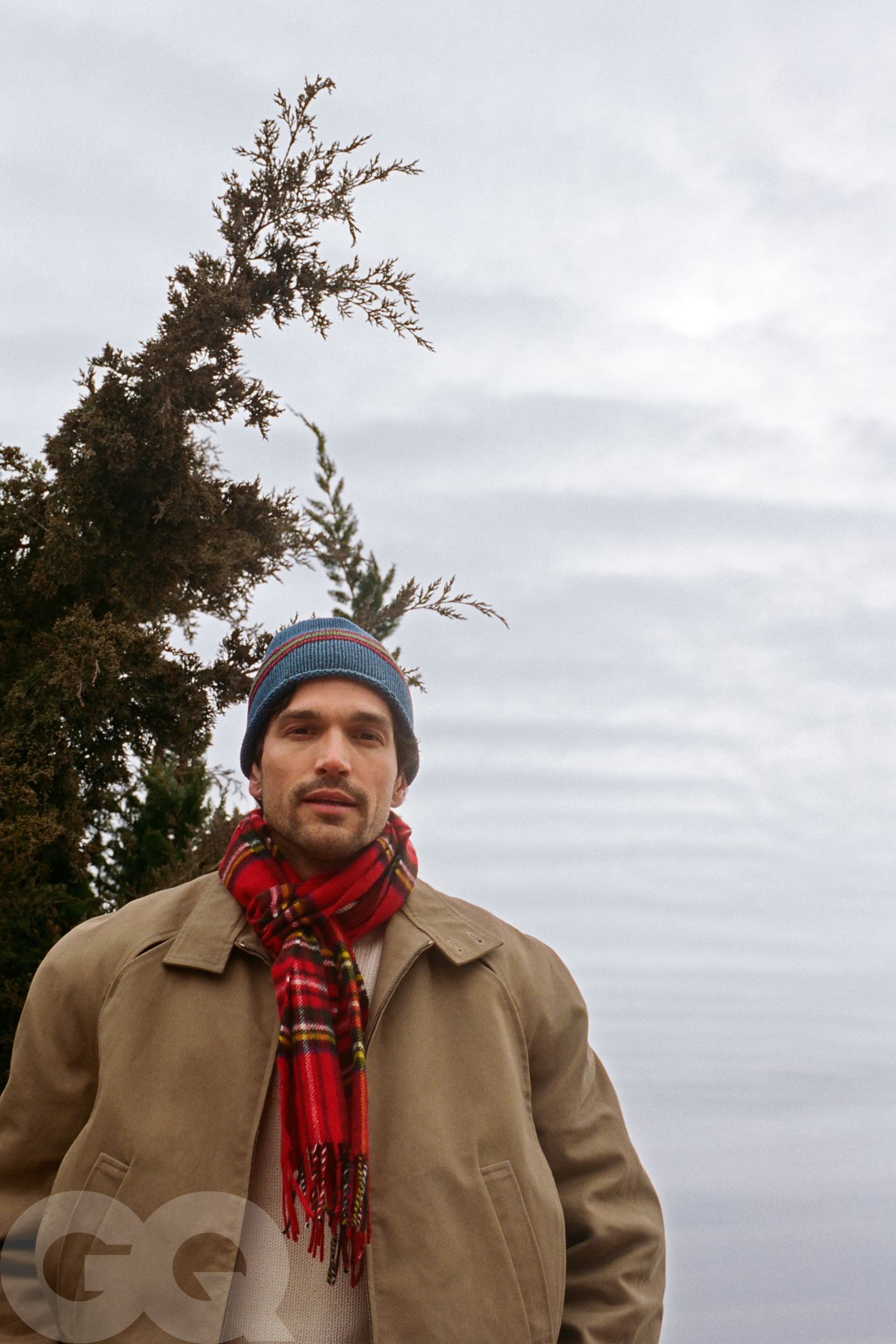
“In the old-fashioned studio system, they told you who the stars were—the camera movement, the makeup, the way they were introduced—and that’s something we’re trying to replicate here,” Simpson says. “Ryan [Murphy] has always understood that…. We needed to tell the audience, yes, this is the star, the way they told audiences of old with camera movements and with great entrances.”
Kelly gets a similarly eye-popping introduction in Love Story, speeding down Tribeca on a bike—the Pinterest pinup brought to life—before working out shirtless at the gym and then, within 15 minutes of the pilot, butt-ass naked in the locker room, putting on gray boxer briefs and then lounging on a bench, like a Bruce Weber photo brought to life, as he complains about not being able to show his face around the city because of bad press.
“But you show your dick to everyone at the gym,” Anthony Radziwiłł (JFK Jr’s cousin and best friend, played in the show by Erich Bergen) points out to him.
“Apparently, this,” John-John says, gesturing to his anatomical gifts, “is all I’m good for.”
To his credit, Kelly’s lived-in portrayal of Kennedy is as impressive as his undeniable mug. By the time this article comes out, Kelly will have inspired a Paul Anthony Kelly Updates fan account, a few rounds of internet discourse regarding his chest hair, at least one fancam set to Stevie Wonder’s “My Cherie Amour,” and enough thirst tweets to lock in a future Buzzfeed video. Since the series premiered, his Instagram follower count had gone from a micro-influencerish 22K to a robust 116K and counting. As his costar Sarah Pidgeon says: “I mean, look at him.” The internet had found its new boyfriend.
When I ask him if it’s unsettling to suddenly be objectified so much, to the degree that your chest hair has inspired internet discourse, Kelly says, “Why not? Listen, there’s an ass for every saddle.”
“We live in a time when everyone is hairless and beefy and ripped and whatever,” he continues. “I keep it au natural. I have chest hair, I own it. I don’t really want to fit into anyone’s mold. I did that for so long being a model. I’ve definitely had to shave it down for shoots and whatever and fit that mold. But now I’m in the business of breaking that mold and creating my own…. Maybe being objectified a little bit as a model and perhaps held at a certain degree prepared me for what’s next.”
Kelly started modeling when two talent scouts discovered him working the floor at an American Apparel on Queen Street East in Toronto. A contract with Ford Models quickly followed. “I had Robert Smith hair,” he says. “I used to just rat it out and make it all big and crazy. I wore eyeliner and I was wearing the tightest jeans and pointy shoes I could find, and it was quite a look. And they saw past it.”
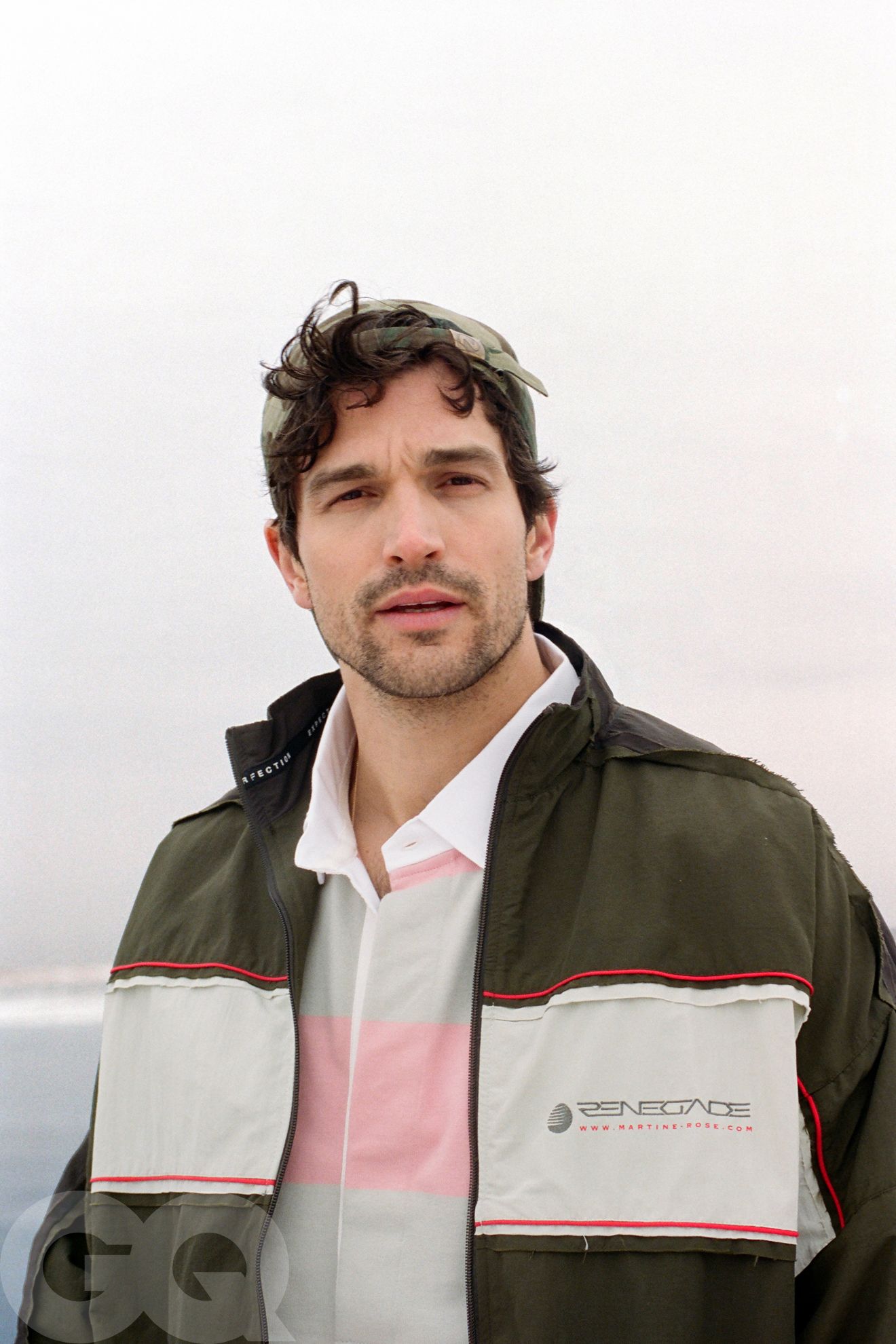
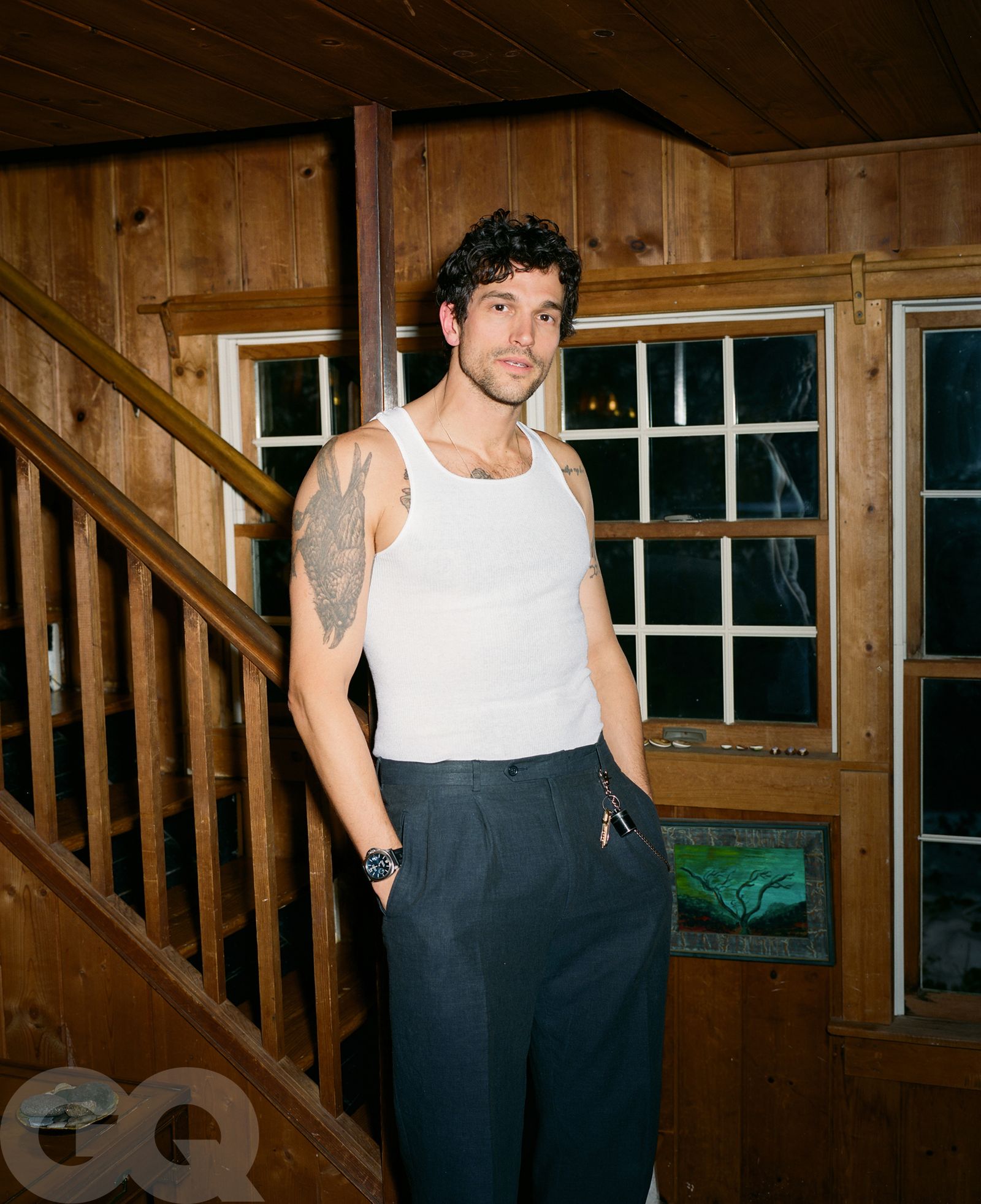
The thing I’ll learn about Kelly is that while he looks absolutely presidential in a suit, there’s a true goth punk under there, his 30 tattoos strategically placed all over his body—including a “138” tattoo, a reference to a Misfits song—so they disappear under a classic Brooks Brothers two-piece. “It’s hard to judge a book by its cover,” Kelly cracks.
It’s tough to square those absurdly handsome features with this stealth darkness. But Kelly, it turns out, wasn’t always male-model beautiful. “I had a growth spurt [as a teenager] and then I got a little chubby,” he says. “I was like 210, 215. I was anxious, so I would just eat bread all the time.”
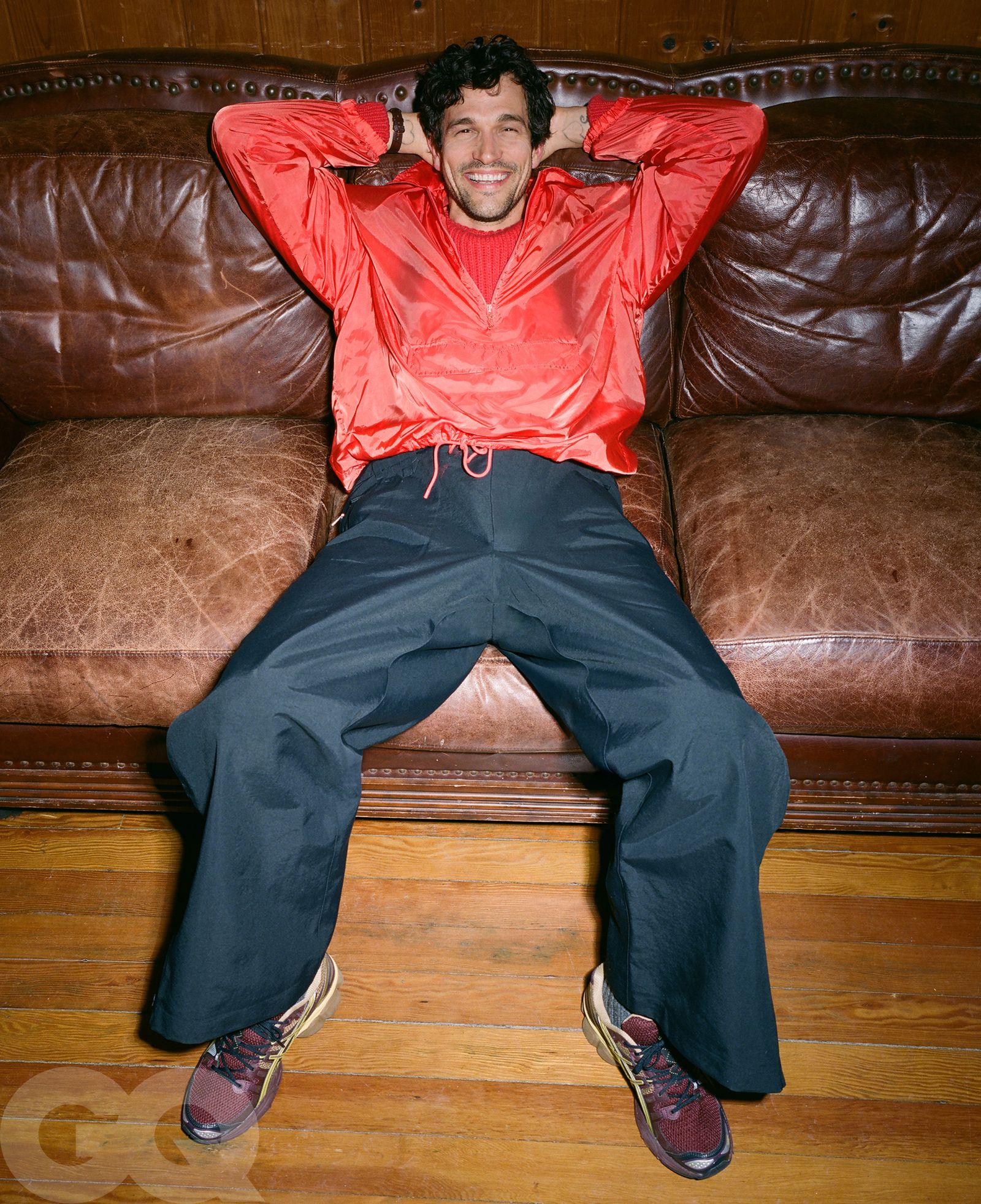
Rebellious personal style seemed like a way of dealing with that anxiety. “I went to a Catholic school and I was like the Goth kid, metal head, punk rock,” he says. “I went to a uniform school with a seven-inch mohawk and I used to, like, paint my eyes red with makeup. I wore makeup all through high school, eyeliner, and took my pants in so they were, like, skintight. I had my Bauhaus T-shirts underneath [the uniform]. I was a huge Misfits fan. I’m a true metalhead at heart.”
Toward the end of our time together, he’ll scribble the names of a bunch of punk-metal bands he thinks I should listen to. And that night, we text about a few more bands, including Portrayal of Guilt (sample song names: “A Tempting Pain” and “Masochistic Oath”), Sanguisugabogg (“Erotic Beheading” and “Rotted Entaglement”), and Meshuggah (“Pineal Gland Optics” and “This Spiteful Snake”). “Good gym music,” he texts me, adding “🤘🏻🙏🏻🤷🏻♂️".
Today, he admits he regrets a few of those tattoos and has contemplated having them removed. “I’ve got a few aggressive tattoos,” he says. “I don’t think I was ever that person, just finding myself in dark days, going through relationship woes and traveling all the time. Just being in this little box as a model but meant to just fit the bill—this was my way of like, acting out.” (He makes it clear, though, that the Misfits tattoo is staying.)
Last summer, when photos of Pidgeon as CBK first circulated online and Ryan Murphy shared test shots of the pair in costume in a now-deleted Instagram post, the backlash was immediate. Fashion magazines quickly itemized everything the production had gotten wrong. The real Carolyn’s colorist even gave an interview to Vogue, admonishing the “totally wrong” hair color in the test shots.
It was the kind of response that might shake a newcomer, but Kelly insists it didn’t get under his skin. “I knew it was just testing,” he says. “It wasn’t completely done…. There was some talk, but it really showed definitely how much people care and how well regarded these two individuals are. And at that point it really just meant, like, ‘Oh, okay, you got to pull the bootstraps a little bit tighter.’ But it was also kind of [an] admission that people are going to watch it. They’re already intrigued. And what we have now is so far from [those test shots]. I mean, it’s so dialed in. I think it really helped us as a whole to really dial it in. People weren’t going to take whatever.”
That faith has already been rewarded. Love Story has been the number one show on Hulu and Disney+ for the past two weeks and—seemingly against all odds—earned positive reviews and praise for Kelly’s and Pidgeon’s performances. (Even the costumes have gotten the fashion establishment thumbs-up.)
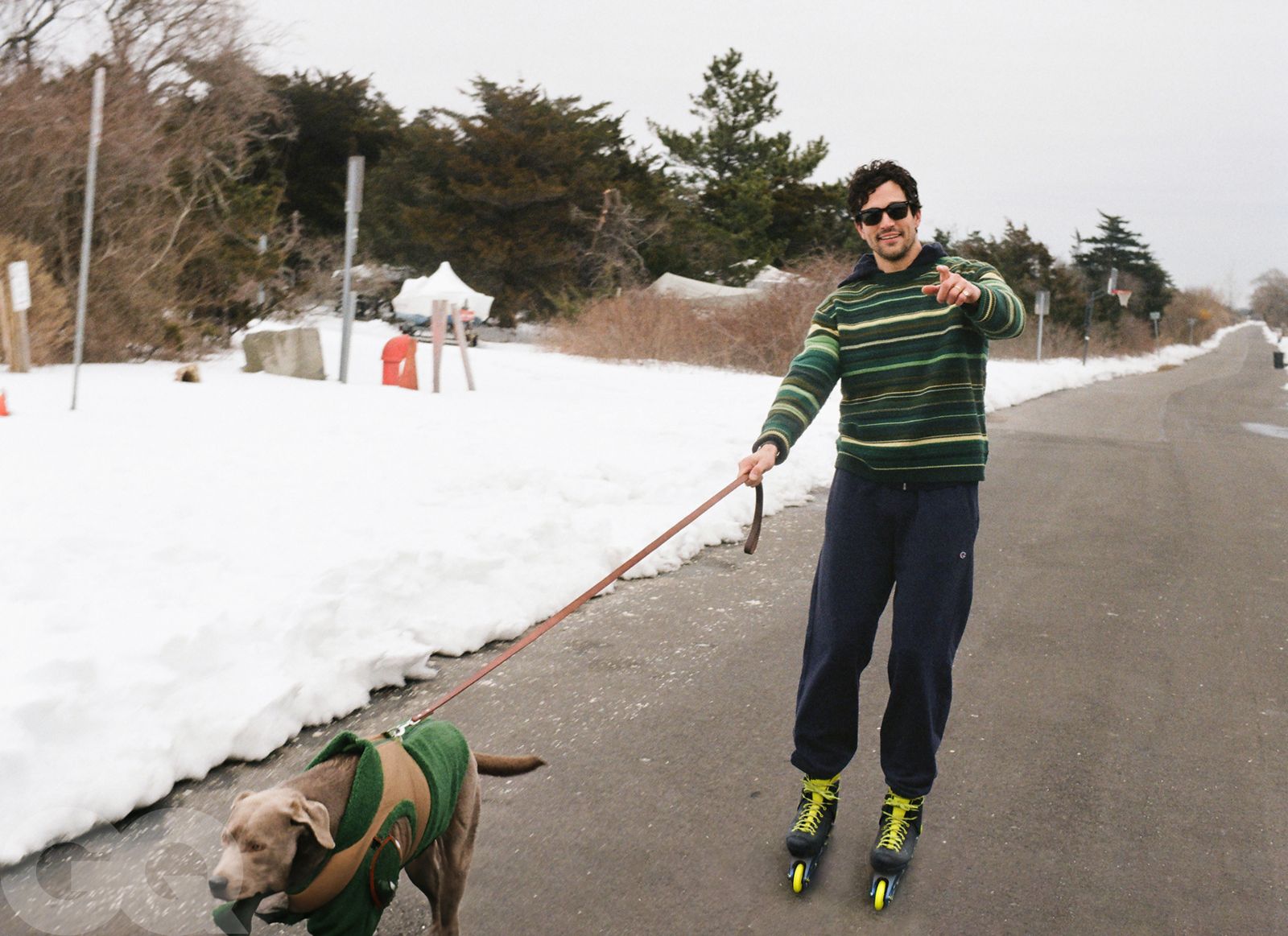
“Part of the fun of this is, Ryan loves working with stars, and I like working with stars too—and we have those in the shows and that's great,” Simpson says. “It’s great to work with somebody who you have a preexisting knowledge of and play on what we know about them already. But it’s also one of the most fun things you could do as a producer, to break a new actor, to create a star. And whether that was Sterling Brown on O.J. or what Ryan has done with Sarah Paulson, it’s fun to just give somebody a chance, and we have that opportunity in this world because the studio allows us to cast unknowns in Ryan Murphy shows.”
We see that play out in Kelly’s scenes with Naomi Watts, who plays Jacqueline Kennedy Onassis on the show. There are moments early in the series where we see Jackie advise her son on how to live his life, on how to be a man. The text almost gives way to the other dynamic in play here: a veteran actor, who herself was plucked from obscurity over 25 years ago to become the star of Mulholland Drive, imparting wisdom and experience to someone just starting his journey.
“He’s a blank slate for most people, and he had to go head to head with one of the greatest actresses of her generation,” Simpson says. “And I think what she was doing onscreen, as she [as Jackie] talked about how John should live his life and gave him advice, she was also giving him that sort of advice as an actor in those scenes. And really, he rose to meet her challenge, which I’m very proud of. We didn’t have to do anything special for him. He brought it and she elevated him.”
Another moment on the series that’s sure to make an impression is their portrayal of the couple’s legendary fight in Battery Park, an intimate squabble that quickly became public property, as cameras captured the play-by-play in photos and videos. “Unfortunately, they had a very private situation happen very publicly,” Kelly says. “But there’s video evidence of this, and that’s one thing that we were able to really review pretty often and choreograph, so we would kind of be as close to the real thing as we could get it, without it being tacky.”
Pigeon and Kelly were so effective, in fact, that New Yorkers around the area started to worry. “On the Citizen app, somebody made a domestic dispute report on it,” Kelly says. “I guess you’re doing your job when the public is like, ‘Oh, shit’s going down.’”
Of course, one of the show’s most vocal critics is a Kennedy himself—JFK Jr.’s nephew Jack Schlossberg, whose parents, Caroline Kennedy and Edwin Schlossberg (played by Grace Gummer and Ben Shenkman) figure prominently in the show. In June, Schlossberg said he felt that Murphy was “profiting off” the “admiration” of JFK Jr. “in a grotesque way.” Later, he went on to call Murphy a “pervert” in an Instagram post. (Murphy has told press that he’s “received threats” because of Schlossberg’s remarks.)
When I ask Kelly about Schlossberg’s comments, he says, “I don’t have the first clue what it’s like to live a legacy and have such a storied existence and have stories told about your family. I think what we’ve tried to pursue and do with the retelling of John and Carolyn’s story is just to tell an extremely human story, something that everyone can relate to. I mean, what’s not to love about love? That’s all I can speak about…I have no idea what it’s like to be Jack Schlossberg and be a Kennedy.”
Love Story’s release coincides with Schlossberg’s own formal entry into politics; he’s running for a House seat in New York City. “Honestly, I wish Jack the best, really,” says Kelly. “All the power [to him].”
A few days after Love Story comes out on streaming, Kelly and I get on a call to catch up and talk through the last few days. I update him on my journey with death metal (I listened to Sanguisugabogg at the gym) and he tells me how good it felt to be back home in Portland, Oregon, with his wife and dog, after the heady few weeks he’s had. “The show, it’s kind of taking over Instagram and TikTok and just everything,” he says in disbelief. “Like, wow, this is even better than I expected.”
Kelly has made the smart decision to largely stay off social media and not get in the weeds of what people are saying about him. So for today, I’m his trusty social media manager, running down all the Paul Anthony Kelly–related discourse on the feeds.
First, there’s the passionate fancasting of him as the next Bruce Wayne, with fans citing his Batman-appropriate jaw and the way he looks in a suit. “If that’s what they say, then who am I to say no?” he says. “I mean, that would be a dream come true.”
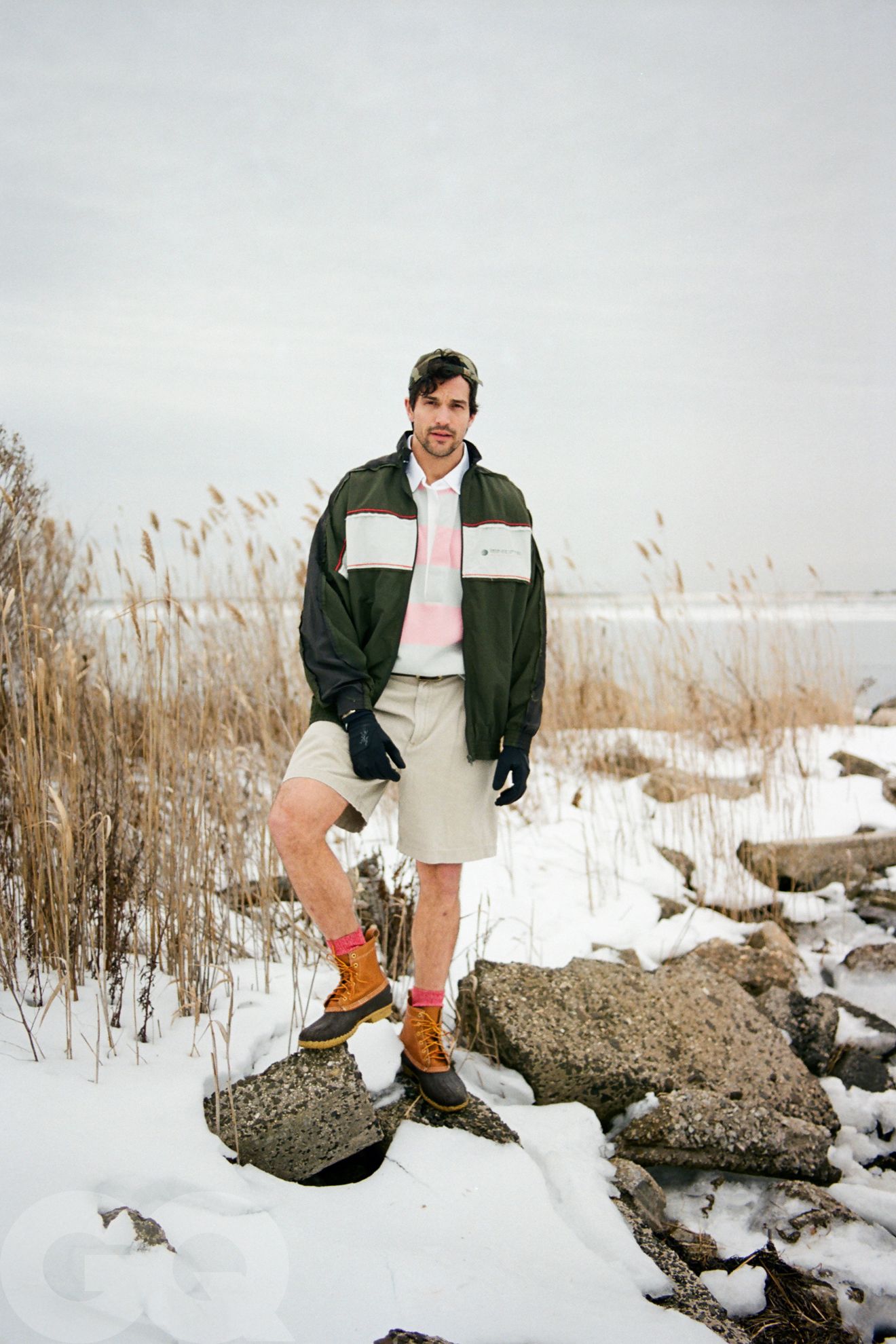
There’s the resurfaced L.L.Bean catalog shots, featuring Kelly in various fleece-lined outerwear. “I’ll order one if he comes with the jacket,” a user named @kyle4prezident said on X. (“And it costs a lot more than what the L.L.Bean jacket is, I can tell you that,” Kelly says with a laugh.)
And then there’s the surprisingly earnest sentiment from fans sensing that this moment has been a long time coming for Kelly, and wondering where he’s been all their lives.
“I’ve been trying all these years to break in,” he tells me. “But all it takes is one, and I got this one that was really, I guess, right for me, or I was right for it. It was a very kind of kismet situation, and here we are.”
After a breakout moment like Love Story, the sky’s the limit. Past Murphy ingenues like Cooper Koch and Charles Melton have parlayed their breakthroughs to plum roles with auteurs like Luca Guadagnino and Todd Haynes. Glen Powell has become a major movie star. And David Corenswet is Superman.
Those are, of course, all amazing and life-changing opportunities. But when it comes to Kelly, Brad Simpson hopes the industry can see the potential comedian behind the good looks. “What you may not totally see here is he’s got great comedic timing,” Simpson says. “I actually feel like he could fulfill that role that we’ve been looking for, of the leading man who is masculine and at ease, but also has that charm and that sort of wit that actors of old had. Sure, he can play Batman the way the internet wants him to, and he can go do superhero roles. What I really hope people do is create Cary Grant–style roles for him, His Girl Friday–style roles. That’s the sort of thing I think he’d be incredible at.”
For now though, Kelly has his hands full. “Malcolm, can you go breathe somewhere else?” he says, talking to his dog. “Please, buddy, go on. Go, go.” Then, he turns back to the matter at hand, his skyrocketing fame, the opportunities now at his fingertips. “Sorry, my dog’s just breathing right into the phone.”
“I turned 37 during the shoot, which was cool,” he tells me. “I’m a little older. I’m a little more prepared, I think, in being secure in who I am. I have a wonderful support system in my wife, friends and family. I’ve lived a life.”
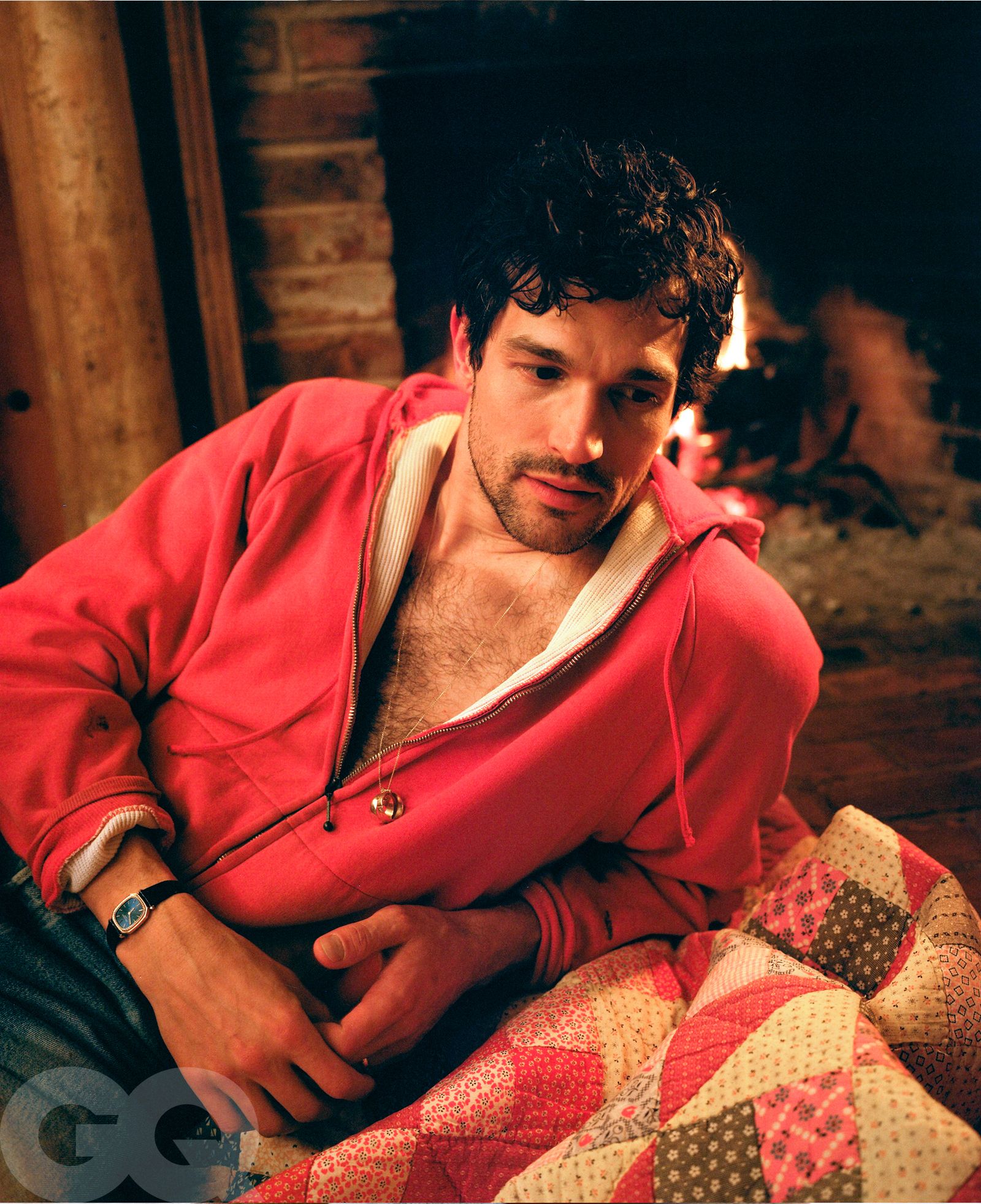
PRODUCTION CREDITS:
Photographs by Matthew Leifheit
Styled by Marcus Allen
Set Design by Miles Bettinelli
Grooming by Kumi Craig using La Mer
Tailoring by Susan Balcunas at Lars Nord
