

Three-button suits rarely look good—at least, that’s what the traditionalists will tell you. There's a reason classic menswear has long favored their two-button counterparts: Western ideals of masculinity emphasize an upside-down triangle shape, often expressed via broad shoulders that taper towards the waist. Two-button tailoring makes that easy.
“Tailoring is unique in that it’s made from multiple layers of horsehair cloth canvas and padding, which are carefully put together through pad stitching, darts and ironwork," explains writer Derek Guy. “This is what can often give men that classic V-shape torso, if it's done well,” Guy elaborates. The advantage of tailoring is that it can make almost any man look like this, which is why tailoring is so flattering on such a wide range of people.”
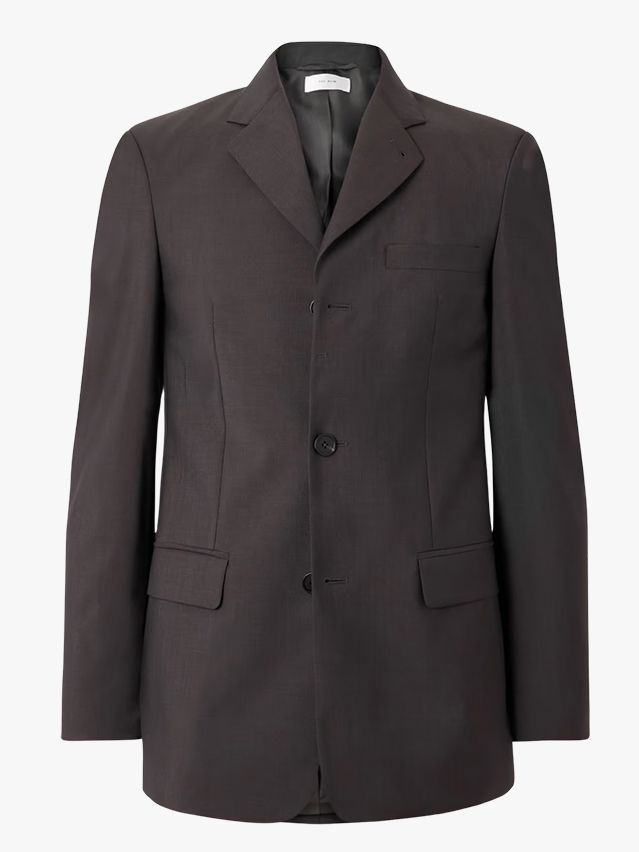
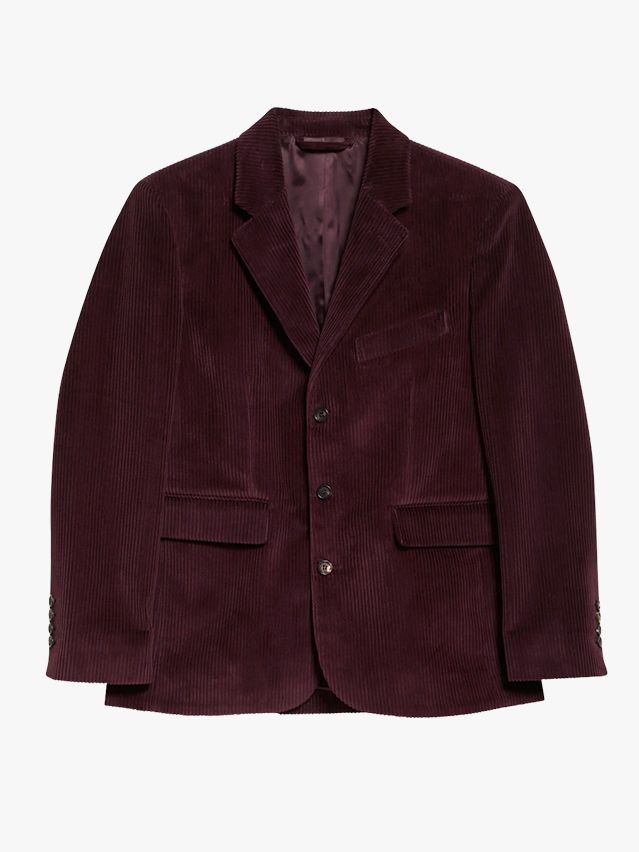
This is why hard three-button suits are usually only recommended for very tall dudes. Still, a two-button or a three-roll-two is usually the safest approach. Guy posited that Gary Cooper was one of the few who could really pull it off. The problem is that you are not Gary Cooper. Instead of conjuring the image of an impossibly handsome actor from the Golden Age of cinema, three-button suits tend to surface memories of the NBA Draft’s most swagless years, an endless mill of raw basketball talent draped in heinous suits.
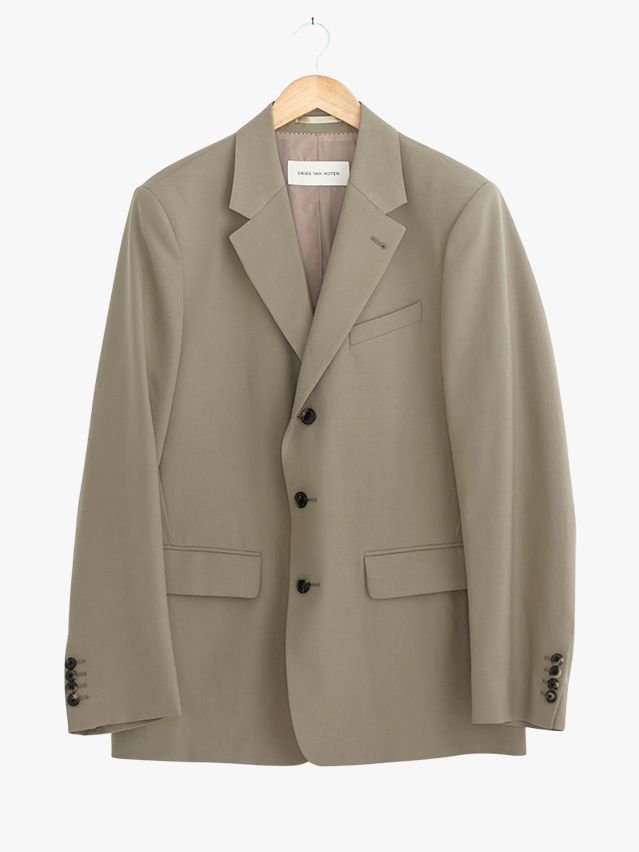
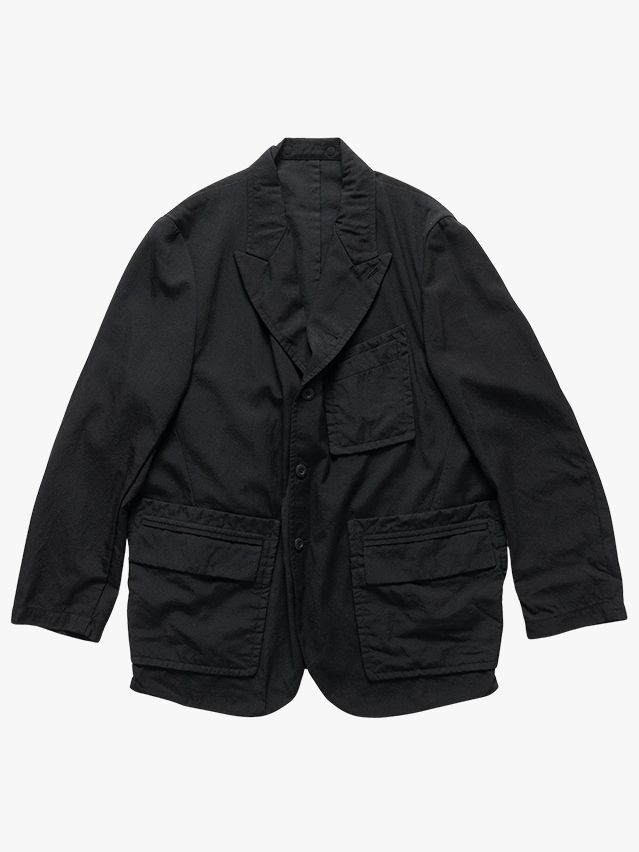
I think we’re ready for a change. Daniel Todd, buying director at Mr Porter, sees the signs and thinks we’re in for a three-button comeback. “They are definitely having a bit of a resurgence; The Row have been championing this style for a while now, and Prada, which is always a barometer of trends, sent them down the runway for FW26,” He says.
In the face of an unstoppable two-button agenda, the three-button suit has carved out a niche for itself not with traditional tailoring houses, but among fashion-forward labels. Designers like Yohji Yamamoto and Thom Browne are lauded for their tailoring, which frequently includes suits with three (or more) buttons. Menswear’s indie brands like Evan Kinori, Margaret Howell, and James Coward have an affinity for the style, too, offering a restrained yet irreverent approach to tailoring.
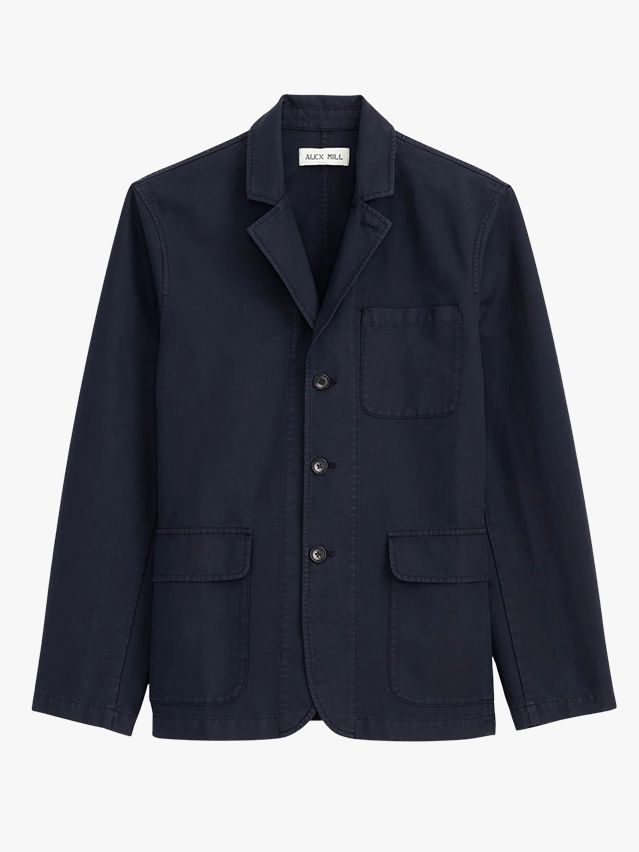
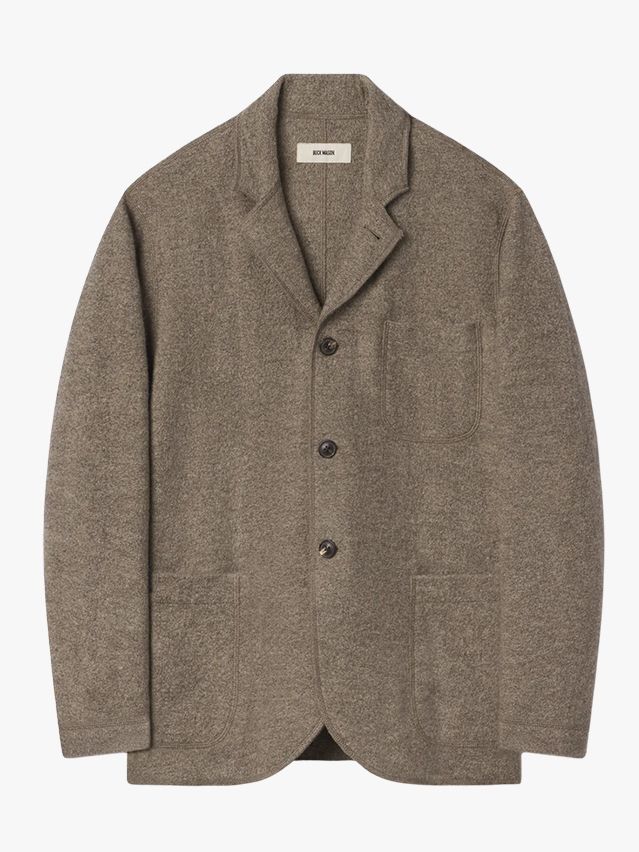
But it’s not just the avant-garde and underground that are bearing the three-button torch. Alex Mill and Buck Mason have included three-button sport coats in their catalog, often mining references from vintage workwear. Antique chore coats are a logical cross-reference point given their similarity to sportcoats. But they also reframe the sportcoat as a purely utilitarian garment rather than a jacket designed to telegraph manliness. Instead of relying on broad shoulders and a V-taper, they’re designed for a straighter, fuller cut. The fact that these more mainstream menswear brands have adopted the three-button suit suggests an appetite for a mass audience beyond fashion’s elite and early adopters.
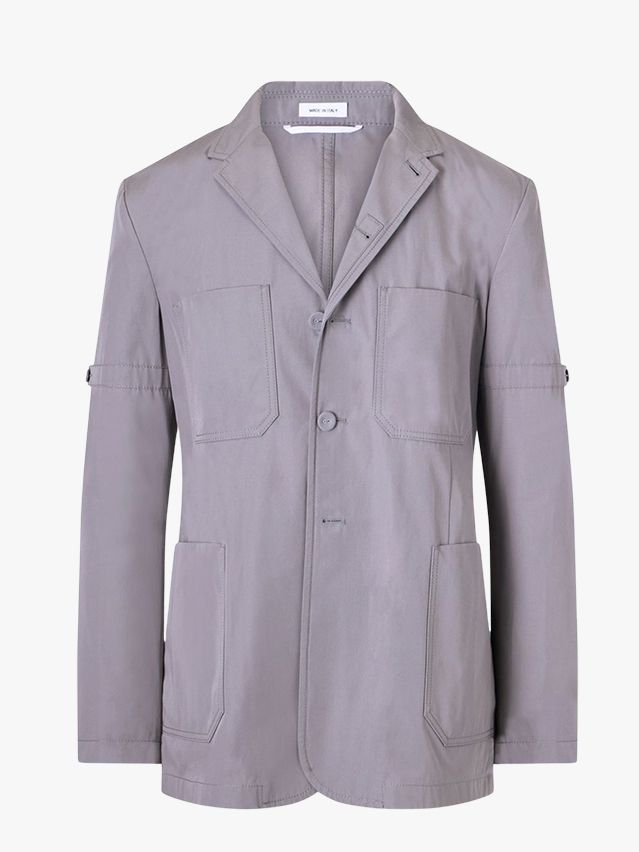
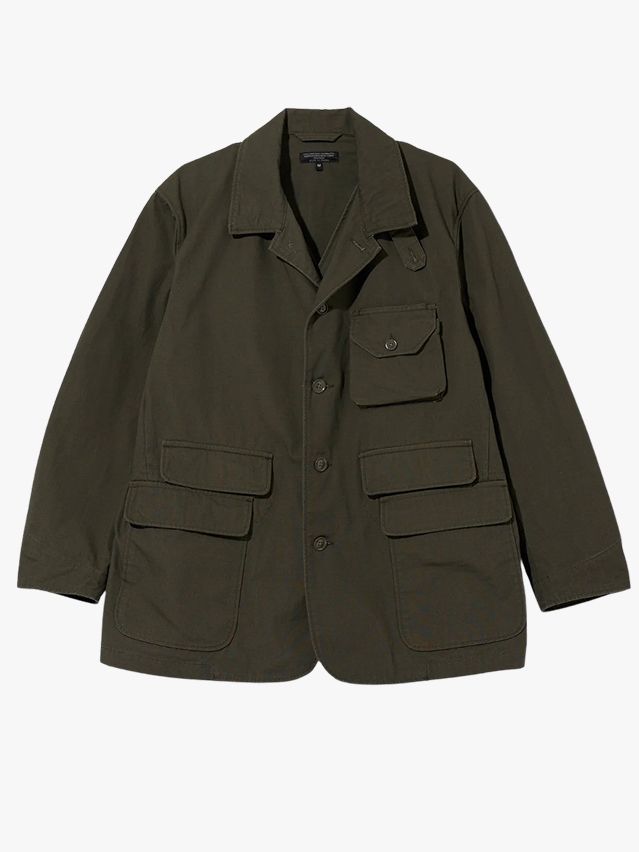
Part of the appeal, no doubt, is its defiance of classical tailoring conventions. And since the 3-button goes against those conventions, it doesn’t make sense to apply those rules to the rest of your outfit. “The idea of creating a V-shaped torso doesn't derive from physics or chemistry. You know, it's just a part of an idea in classical tailoring,” Guy says. This is freeing. You’re free to play with silhouettes and proportions. Todd suggests wearing a three-button sportcoat with roomier pants, in the vein of the slouchy tailoring of ‘90s Armani.
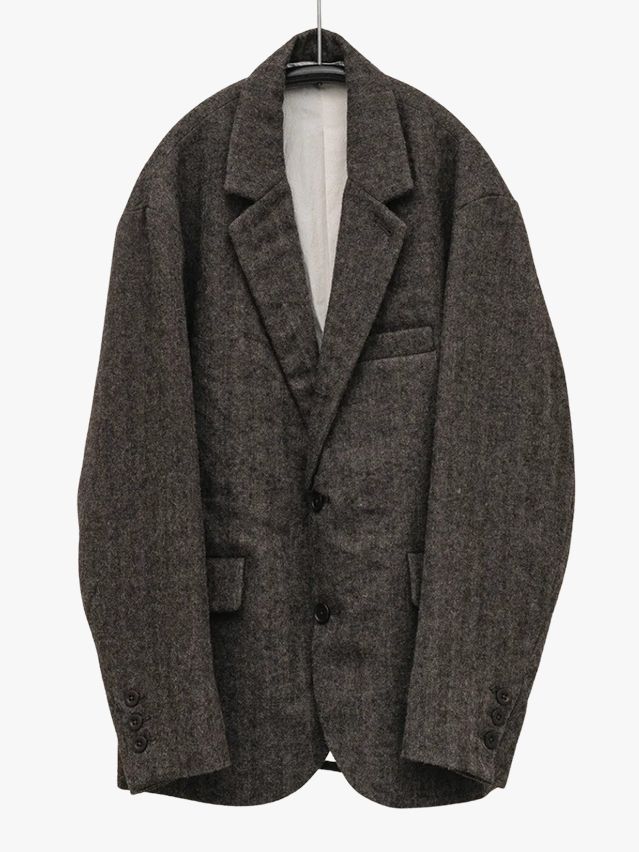
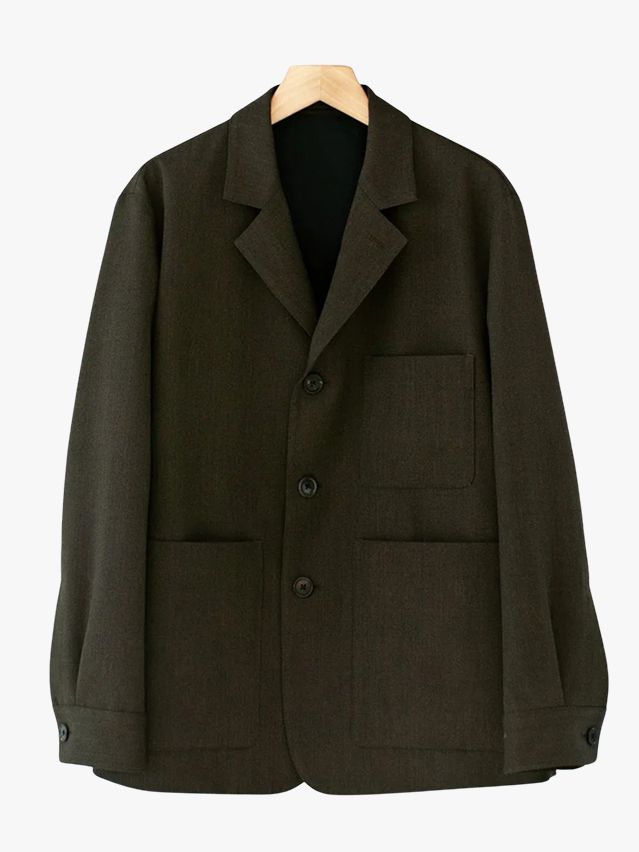
Are three-button suits really making their way back? Yes and no. Unless you’ve done some PhD-level tailoring physics or you are indeed Gary Cooper, it doesn’t seem like classic menswear’s formulas for dressing allow much room for a hard three button. Instead, the hard three is left for the capital-F Fashion side of the menswear spectrum. It’s the kind of jacket waiting at the periphery meant for someone more open to exploring or even non-traditionalists.