
The Air Jordan 40, the current iteration of the legendary sneaker line, has enjoyed a predictably splashy rollout since its introduction last July. Jordan Brand has pulled out all the stops to make this release feel special, including tributes to the brand’s four decades of history through a series of hybrid releases that combine the silhouette of the 40 with design details from previous Air Jordans.
What’s especially remarkable is which retro Jordans the brand has decided to give the Air Jordan 40 treatment. No surprise that things kicked off with a spin on the Jordan 1, but since then, they’ve dropped variations on the Jordan 14, 16, 23, and 28. Most recently, at NBA All-Star Weekend in Los Angeles, the brand unveiled the Air Jordan 4020—a surprisingly nice combination of the Jordan 40 and the Air Jordan 20, the Tinker Hatfield-designed sneaker with the trademark ankle strap that debuted way back in 2005.

Jordan Brand hasn’t paid much love to later models like the 20 in recent years. While now-ubiquitous classics like the 1, 3, 4, and 11 have been retro’d in dozens of colorways and become staples of the sneaker release calendar, Jordan released after MJ retired from the Chicago Bulls for good in 1998 are only occasionally given the retro treatment. (Even the final sneaker of MJ’s Bulls career, the Ferrari 550-inspired Jordan 14, hasn’t been accorded the perennial retro status of its immediate predecessors, the 12 and the 13.) For the most part, if you want to buy a pair of, say, the Lamborghini-indebted Jordan 18s that Jordan wore during the last year of his Wizards comeback, you’re probably going to eBay.
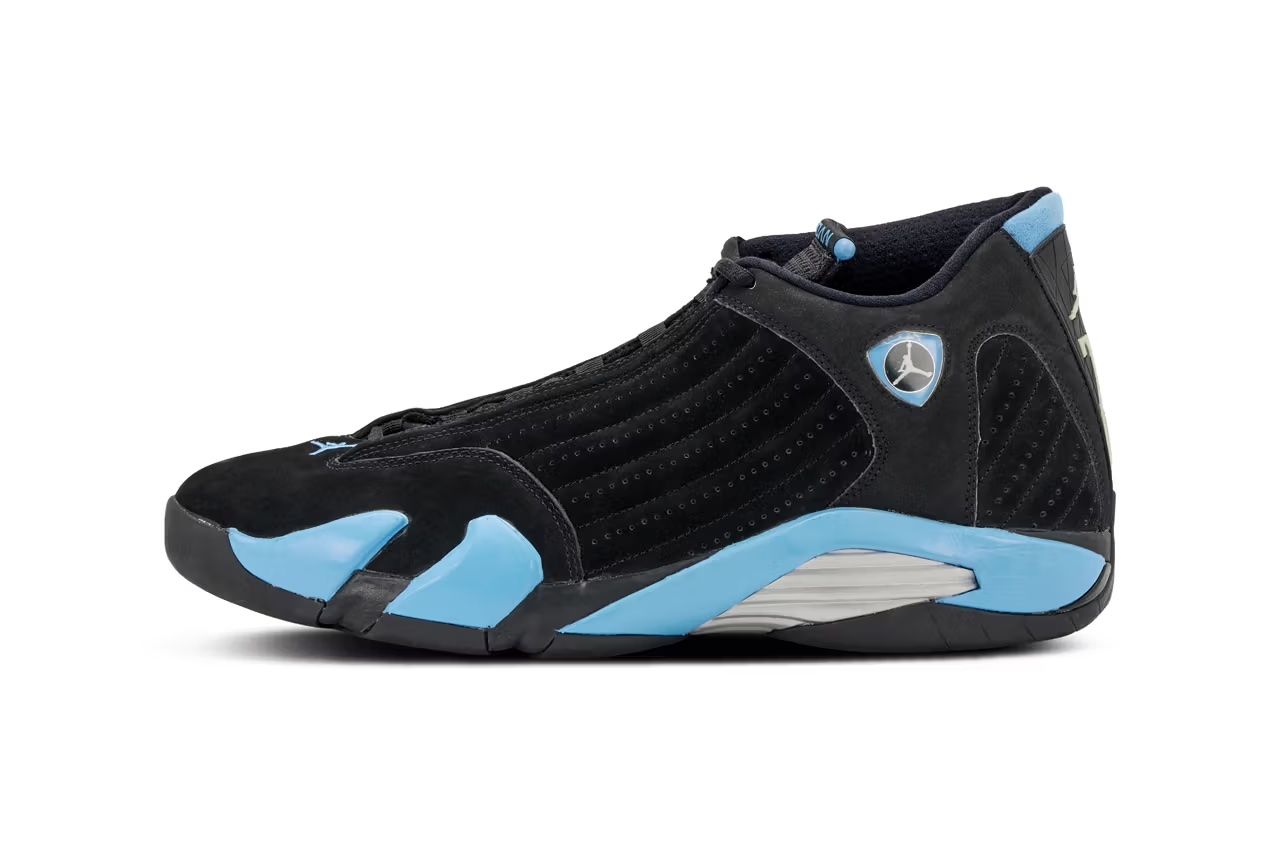
The Jordan 40 hybrids are one sign of many that this trend may be changing. Lately, it feels like some of the later Jordan models are popping up more frequently than they have in years—appearing more regularly on athletes, in major collaborations, and across social media than they have in ages. Next month, the Jordan 14 is set to return in its University Blue colorway for the first time in 20 years, shining a much-deserved spotlight on a criminally underrated silhouette.
In early January, the release of the Air Jordan 17 “Doernbecher” —a sneaker drop with a very special origin story—single-handedly revitalized one of the most overlooked Jordans ever, and became an early contender for sneaker of the year in the process. And at New York Fashion Week, Public School returned to the runway with a new version of the Air Jordan 15, rekindling the brand’s relationship with a sneaker it first collaborated on back in 2017. (Notably, that drop coincided with the last time late-period Air Jordans experienced a bump in popularity.)
The timing could hardly be better—in fact, if anything, this resurgence of later Jordans feels somewhat overdue. Pop culture, and particularly fashion, has been gravitating toward the dawn of the millennium for several years now, but while Y2K-era sneakers have been on the rise for some time, the Air Jordans released around the year 2000 have so far not benefited from the trend. Perhaps it’s because the 2000s-era Jordans were themselves out of step with the trends of the era and therefore still seem a bit ahead of their time. The Jordan 15, with its Pebax heel counters and Kevlar uppers, was so technologically advanced that it still looks state of the art. The 16, with its signature magnetic “shroud” designed to cover the laces, went underappreciated in 2001 but now seems pretty brilliant. My personal favorite is the Jordan 19, with its mesh lace shield and almost Chelsea-boot-esque toecap crafted from patent leather.

Of course, there’s another reason why this resurgence makes sense: the oversaturation of the familiar Air Jordan retro market. We’ve come a long way from the Jordan 1’s after-market heyday, and many Jordan 1 retro releases these days come and go without much fanfare, sitting on shelves until they’re slowly discounted. It’s the same story for most 4s, 11s, and other overworked retro models, which no longer have the aura of ultra-rarity that for years made them items best kept unworn on the shelf. Maybe in part because the Jordan 1 and its ilk became synonymous with dads rocking up to the office in too-skinny denim, the once beloved classic has lost some of its luster.
The Air Jordan 14s and beyond, however, have never looked fresher, as the eye-catching hybrid 40s have made abundantly clear. All we need now is for Jordan Brand to capitalize on the moment and serve us up some proper retro releases of the 16, 18, 19, 20 and more, returning for the first time in far too long to some of the most slept-on silhouettes in the company’s back catalog.