

A little over a decade ago, I got a job as a sales associate at Unionmade Goods, a now-defunct clothing store in San Francisco. As far as retail gigs went, it wasn’t bad: enthusiastic customers, friendly coworkers, and, perhaps most importantly, an employee discount that started at 60%. The biggest downside? I developed a taste for clothes well outside of my tax bracket. We carried great brands, big and small, but one in particular stole my heart, my soul, and a preposterous amount of my disposable income: OrSlow.
OrSlow was founded in 2005 by Ichiro Nakatsu in Hyogo, Japan. To call it a reproduction brand isn’t entirely inaccurate, but the descriptor doesn’t fully capture the label’s appeal. Nakatsu is a textile nerd of the highest order, and the OrSlow team develops their own fabrics to the exact specifications of the source material, hardware included. That degree of obsession yields products that feel vintage from day one, though their lifespan should really be measured in years, if not decades. (I’ve been wearing the majority of what I own from them for even longer.)
I’m not sure if Unionmade was OrSlow’s first stockist in the US, but the brand’s legend spread fast. In the early days, I remember marveling over fatigue pants that felt truer to the reference than the reference itself, jeans that out-vintage’d half the vintage joints on the market, and chambray shirts that looked like they literally travelled in time to make it to our shelves—all of it produced more meticulously than almost anything else I’d encountered.
A bunch of smaller stores eventually caught on to what the brand was doing, but OrSlow stayed relatively hard to find until somewhat recently. By now, there’s a decent chance you’ve heard of the brand, and maybe even stumbled across it in person. If you haven’t, though, today would be a great time to get familiar with it, because OrSlow is bigger and better than ever.
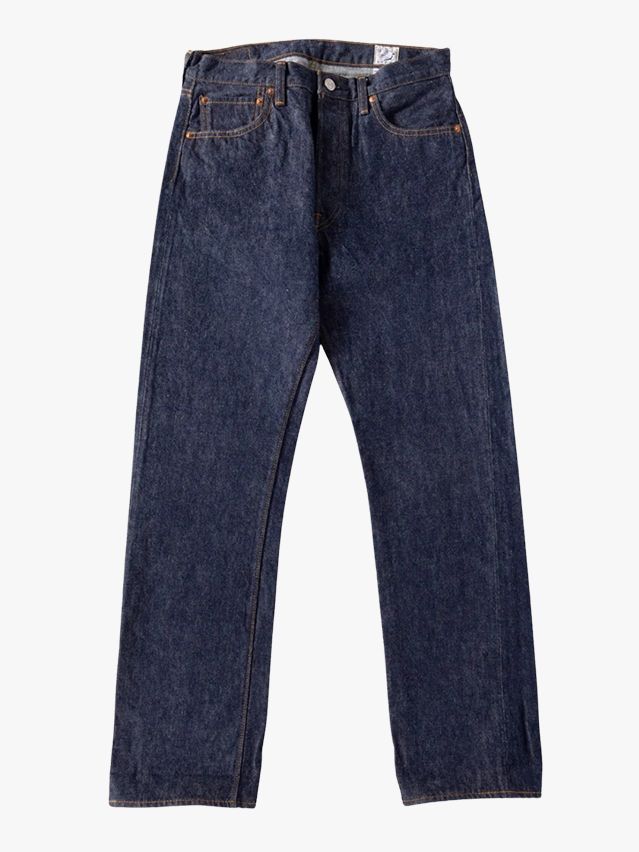
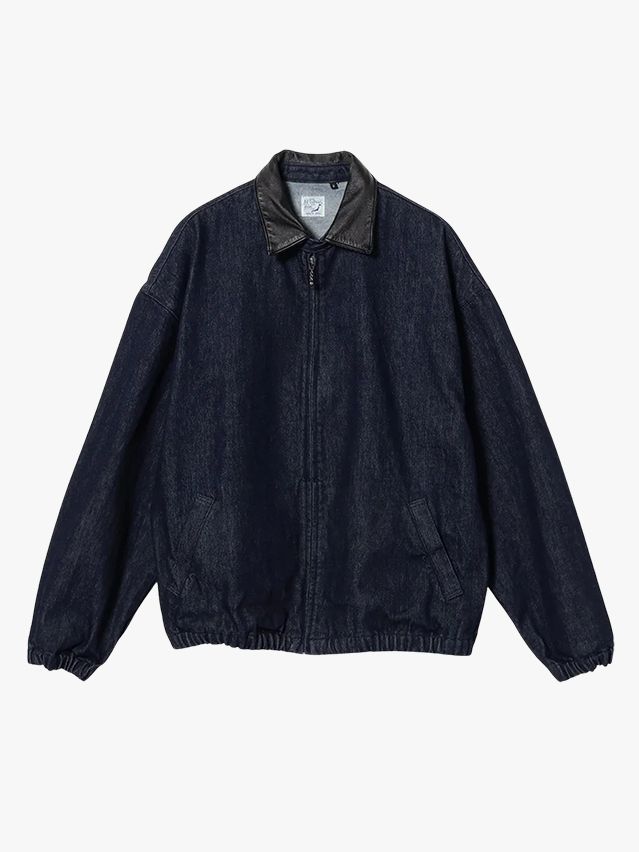
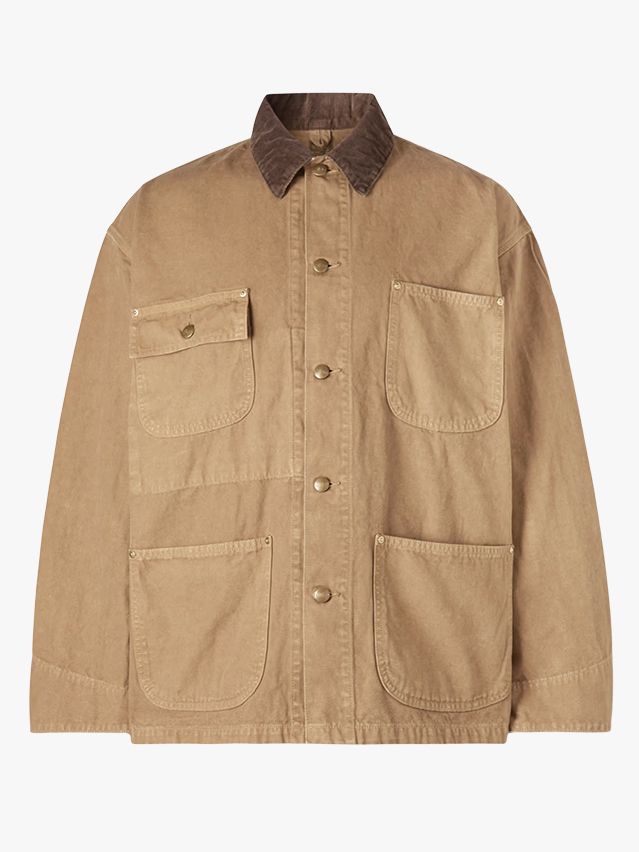
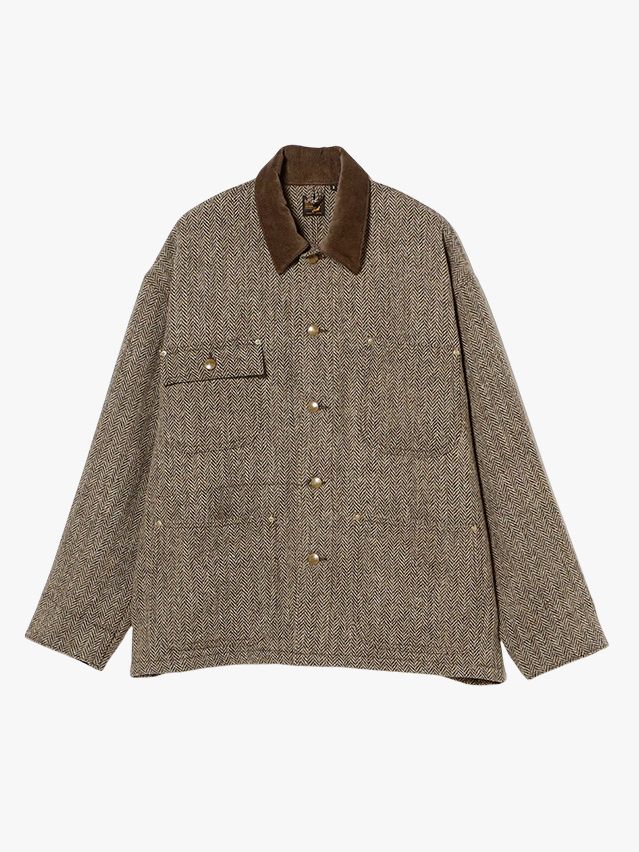
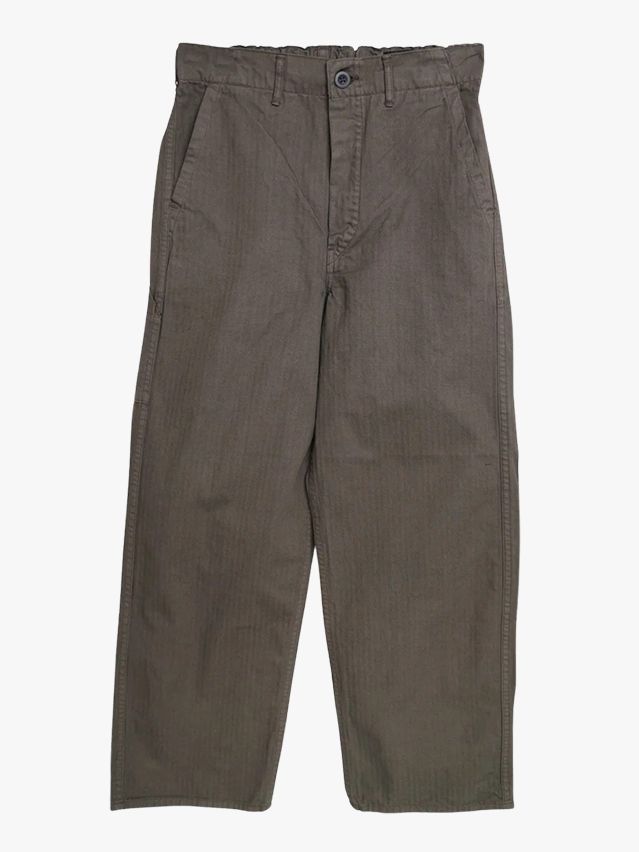
To wit: the brand’s outerwear alone owns multiple plots of real estate in my head, though this corduroy-trimmed canvas jacket and Harris Tweed coverall currently occupy the bulk of it. Same goes for the recently-introduced French work pants, which might already be in my closet by the time you read this, and this supremely relaxed flannel shirt.
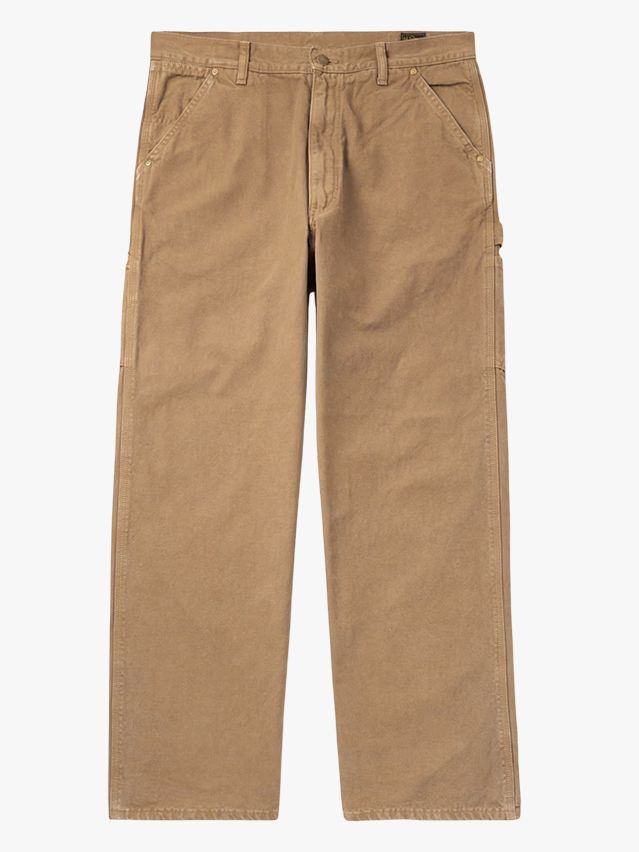
To be clear, I really don’t need more OrSlow in my closet. I still wear the jeans I wrote about here multiple times a week, alternating between them and these slubby, ‘30s-inspired dungarees. I also own a pair of washed black fatigues that are much more washed and much less black than they were the day I got them, single-pleat officer chinos cut in a way I remain in awe of five years later, and an uncertain number of other pairs folded somewhere in my apartment.
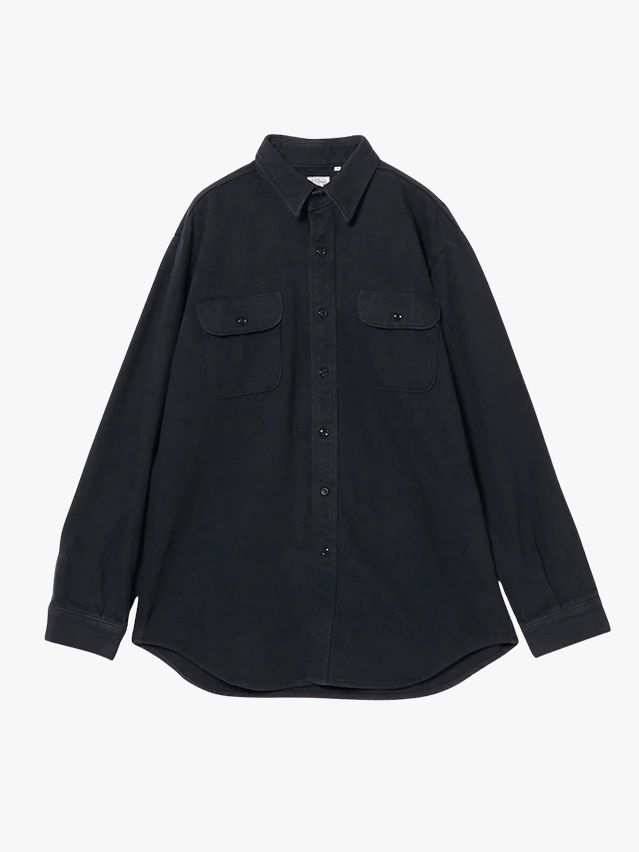
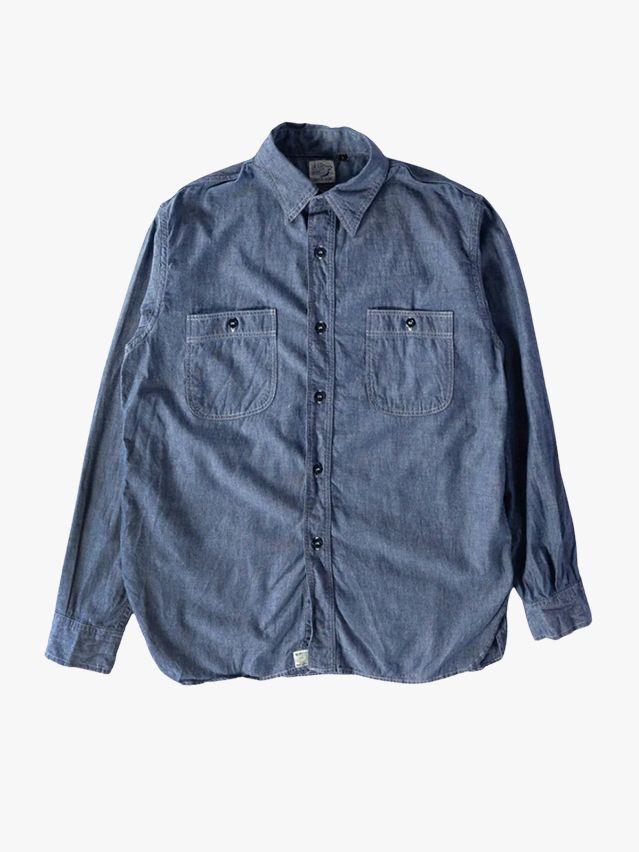
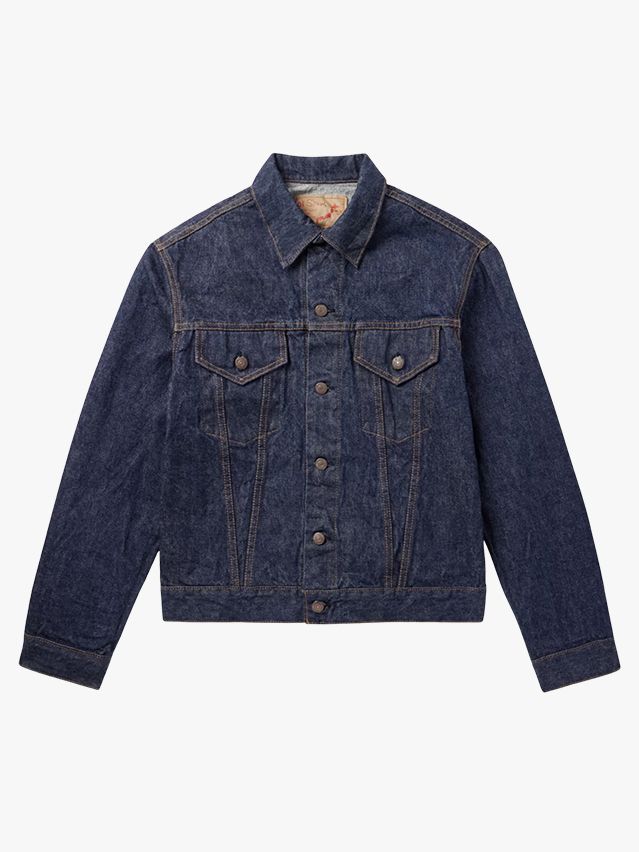
It’s not just pants, either: I have two chambray shirts that haven’t fallen out of favor in over a decade, this kind of weird wool-linen baseball shirt that’s roughly as old, and a micro-gingham linen shirt that now inexplicably feels like an Oxford after roughly a decade of regular wear. In other words, if you run into me on the street, there’s a better than 50% chance I’m wearing something from OrSlow.
There’s a reason I’m rattling off personal statistics to you like a DraftsKing addict. In a market crowded with brands offering a similar proposition—classic-leaning menswear that you won’t have to replace for decades—no one brand delivers on that promise more honestly than OrSlow. I'd tell you more explicitly to hoard as much of it as you can, but at this point, that sort of feels implied.