

In the space for three days in February, Matt Weston finished first in the high-stakes sport of skeleton (both in the men’s title and with mixed team partner Tabitha Stoecker), making him the first British athlete to win two gold medals at the same Winter Olympics.
Despite being only the second male skeleton ‘slider’ to win the Olympic, World, European and World Cup titles, Weston only got started in the sport nine years ago. The 28-year-old spent his formative years playing rugby and practicing taekwondo. It was only when a training injury dashed a promising martial arts career that he decided to branch out and try something new.
Weston, who was part of UK Sport's Discover your Gold program, was selected to undertake a barrage of physical tests, measuring everything from his sprint to how high he could jump. Testing well for explosive power, the governing body suggested Weston might feel at home bombing down a mountain at 80mph. Luckily, he agreed. “Now it’s a lot easier to apply to compete in skeleton,” Weston laughs. “You can apply to the sport directly, and go from there.”
We spoke to the Corona Cero ambassador about the fitness and recovery plam he uses to train for the competition, where athletes charge down a twisty ice track atop what could be mistaken as a big baking tray.
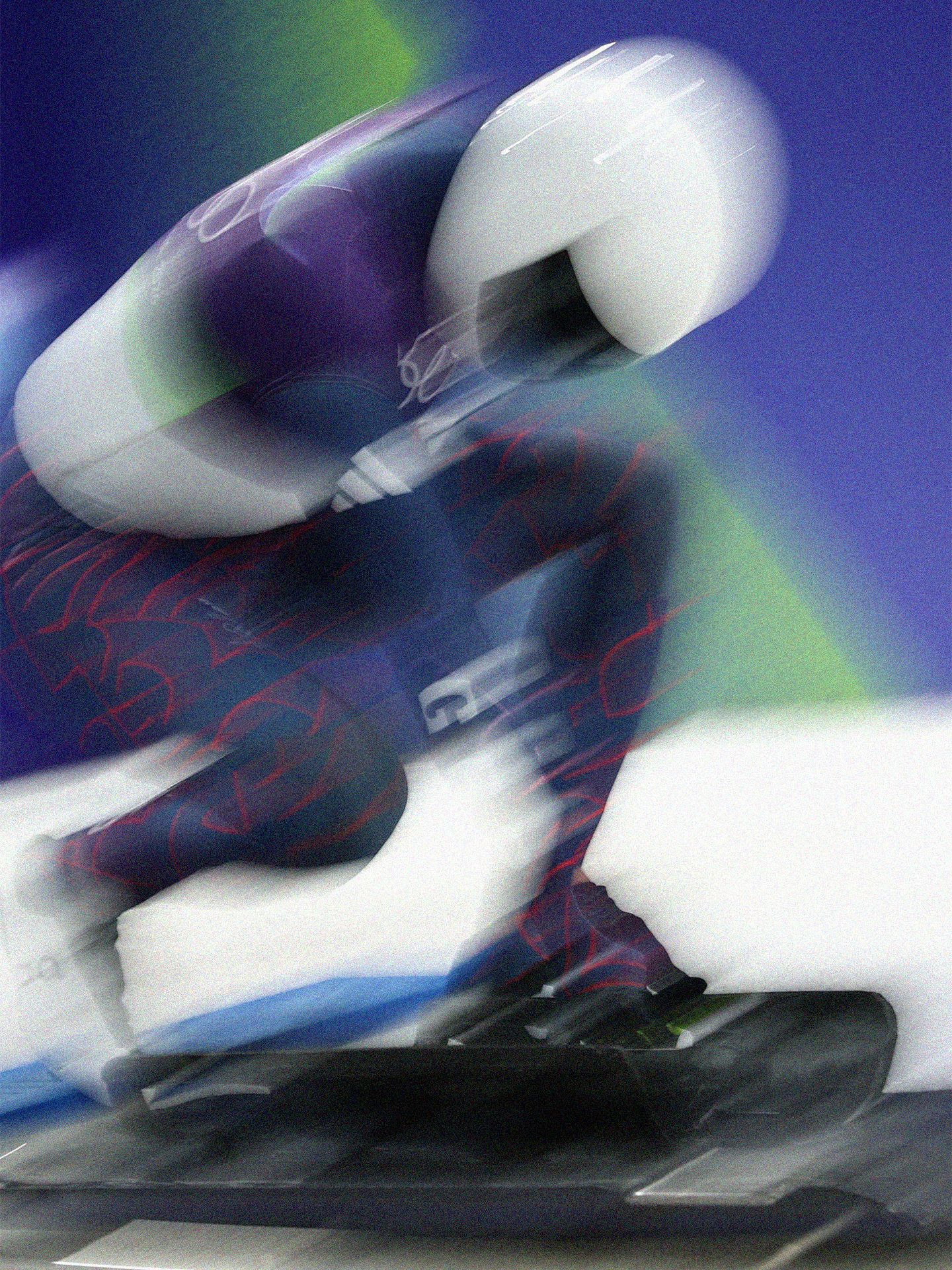
What makes a good skeleton athlete? Weston lists three main attributes: having a strong push, having strong reflexes to handle break-neck turns, and knowing your equipment inside and out. (A nice, strong helmet is key.) Gear aside, Weston focuses on the first two factors at the gym. “We spend so much time lifting heavy weights during summer training,” Weston explains. “Skeleton athletes are basically a hybrid between a weight-lifter and a sprinter. You need to be able to drive forward with one leg.”
“Hamstrings are one of the main speed areas for us,” he says. “When we’re launching the sled, we’re bent over, almost running with our legs up in the air, so we need good strength and flexibility through the entire range of motion.” This comes down to single leg sessions, including Bulgarian split squats, lunges and reverse lunges, ad nauseam. “We can get some pretty big weights out there,” Weston says. “I’ve never bench-pressed 100 kg [approximately 220 lbs] because a big upper body makes you less aerodynamic, but my PB for reverse lunges is 190 kg [approximately 430 lbs] on each leg, for three reps.”
Weston likens navigating the g-force created by an Olympic skeleton track to F1 drivers handling hairpin turns. He does a lot of the same stability training as those drivers, too. “You look like a right idiot in the gym with weights hanging from your neck,” he says, ‘but we do get thrown into a lot of awkward positions where you could get injured, so you have to be strong but flexible in every area.”
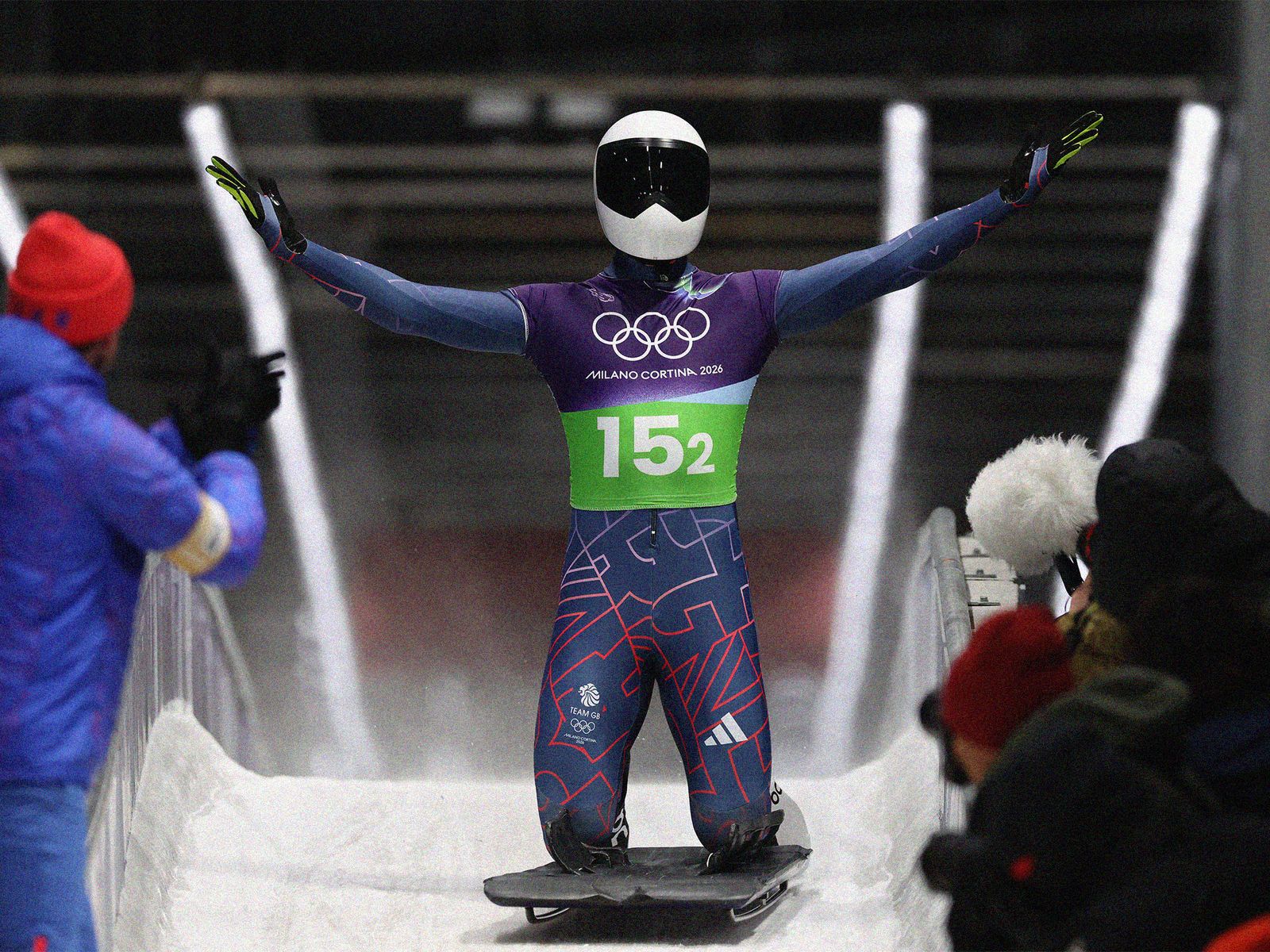
Skeleton is all about being light and going fast. With the sled, equipment, a rider combined, the maximum amount you're allowed to weigh is approximately 265 lbs total. Weston’s Olympic sled tipped the scale at around 77 pounds, leaving 188 pounds for Weston, his helmet, and other gear. This means that, as in boxing, managing his weight through diet is vital. Weston follows the same high-protein, high-fiber diet as many other athletes, with a little bit of wiggle room. His guilty pleasure is pasta or a meat pizza (which he reasons is at least helping with his protein macros) but he needn’t be as strict as some of his competitors, explaining that, even with most of his bulk held in his massive legs, he still has difficulty making weight “I tend to eat a bit more than most,” he admits.
Relaxing with a pizza, or spending time with other athletes in the Olympic Village, aren’t just ways to kill time, but vital strategies in helping Weston recover mentally. “For me, the mental side of things is a much bigger performance gain than anything else I do,” he says. “How you stay calm, how you stay relaxed on and off the track, is key.”
He’s working on this with both a clinical psychologist and a sports psychologist. Together, they help make sure that Weston the athlete isn’t getting in the way of Weston the person, and vice-versa. “A lot of the time as an athlete, you're so serious and intense, whereas I’m quite different as just a normal person,” he explains. “They come up with a plan to make the best version of me as a whole.”
At present, a lot of this work does revolve around staying calm. Any Olympian feels a massive burden, but coming into Milano Cortina, things were different for Weston. “I came into this Olympics with a lot of pressure on my shoulders,” he says. “I was already world number one, and I hold every title within my sport, so there was pressure for me to not only come away with a medal, but to make sure it was the right color.”
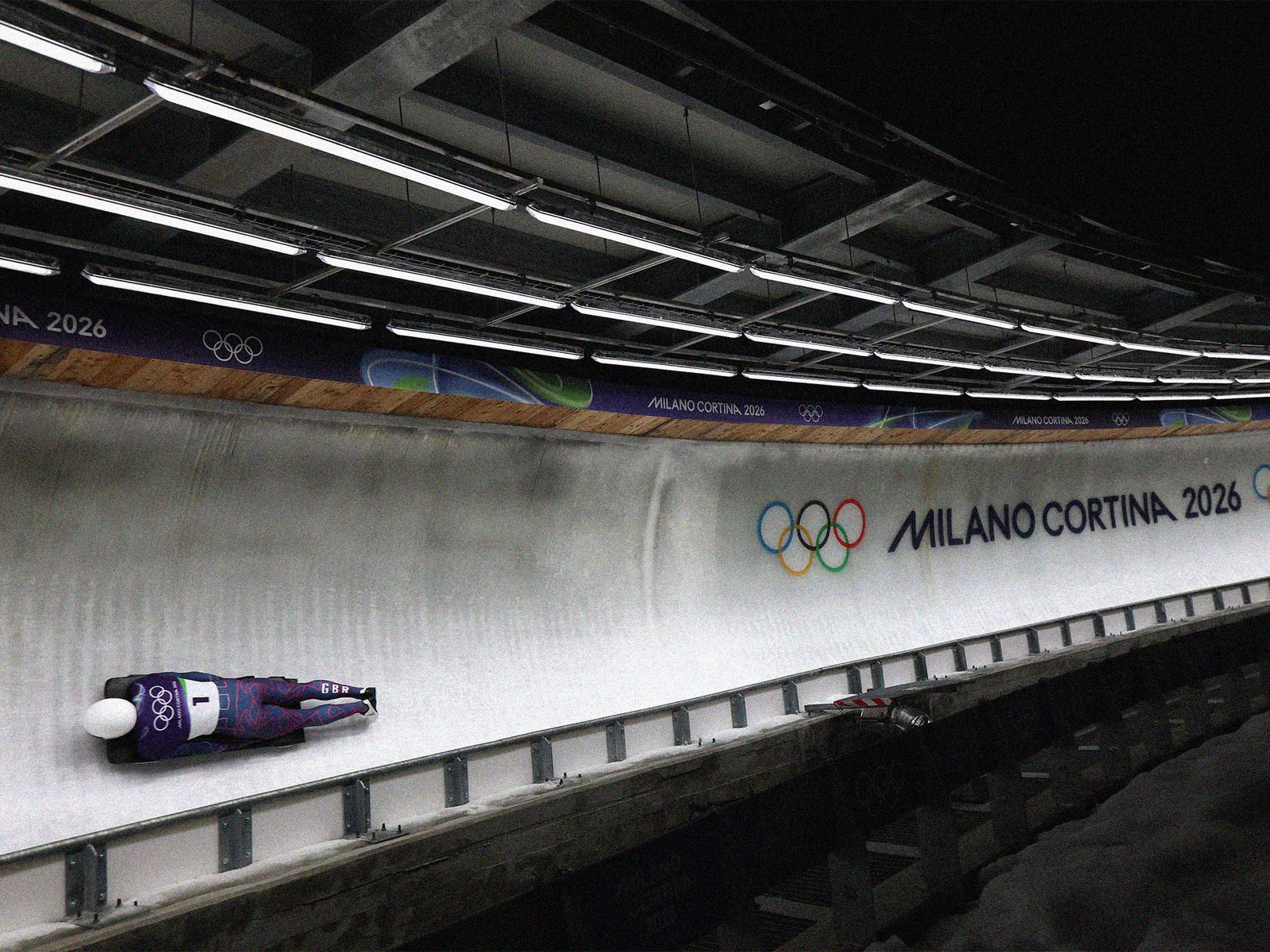
Like a lot of modern athletes, Weston says visualization—picturing a given track, how we’ll perform, and how he’ll feel hoisting his medal on the podium—has played a “massive” part in his recent training. It isn’t just for the mental edge; in high-intensity, high-impact sports like skeleton, picturing the course rather than endlessly running it is a necessity. “We only really do two, maybe three runs a day, because it's so taxing on your body and your mental state,” Weston explains. “When you’re on a run, your brain has to work on overdrive. Every corner I'm doing probably two or three steers to make sure I’m staying on the line while maximizing speed. If there are 16 corners in Cortina, each has to be split-second perfect because you can lose a race by hundredths of a second. You really need to be on it.”
Recovery-wise, Weston turns to ice packs, rolling, stretching, and magnesium. He'll also sit in a sauna. “Both me and my teammate [fellow gold medallist Stoecker] spend a lot of time in there,” he says. “It really helps. We literally talk about anything but racing, it’s a protected space.”
Sleep is another protected space. “You can have 10 protein shakes a day, but they will do nothing if you haven't got the recovery right,” he says. “Sleep is a non-negotiable, and it’s also an excuse to get some chill out time in.”
Matt Weston is a Corona Cero global ambassador.
A version of this story originally appeared in British GQ.